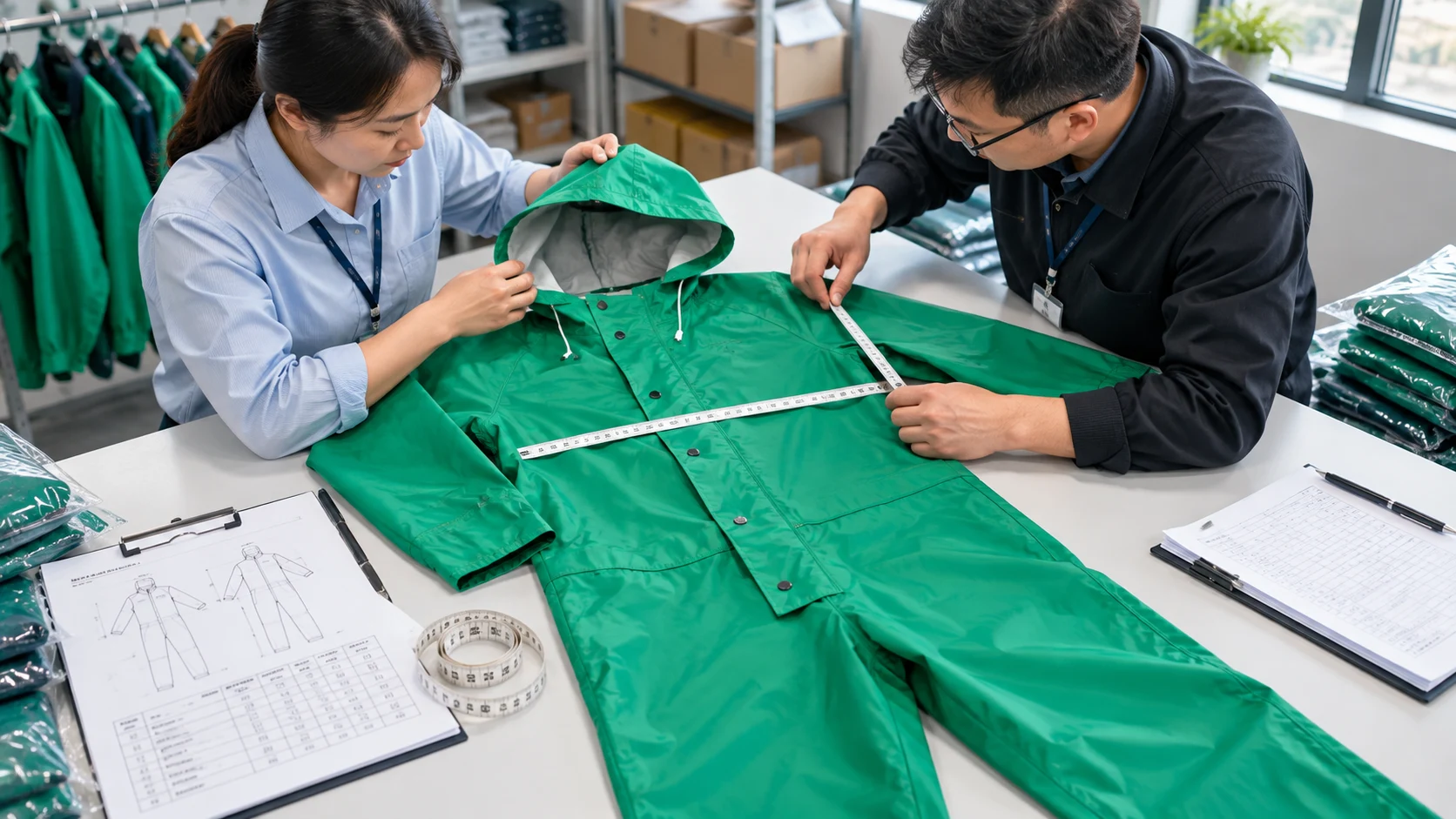
Construction sites often put workers in touch with sudden weather changes. This includes strong rain that can slow down work and create safety dangers. Picking the right raincoat turns out to be very important. It helps keep dryness, clear sight, and easy movement in tough settings. This full guide looks at main points for selecting raincoats made just for construction jobs. It stresses protection, ease, and strength.
1. Choose Waterproof, Not Just Water-Resistant
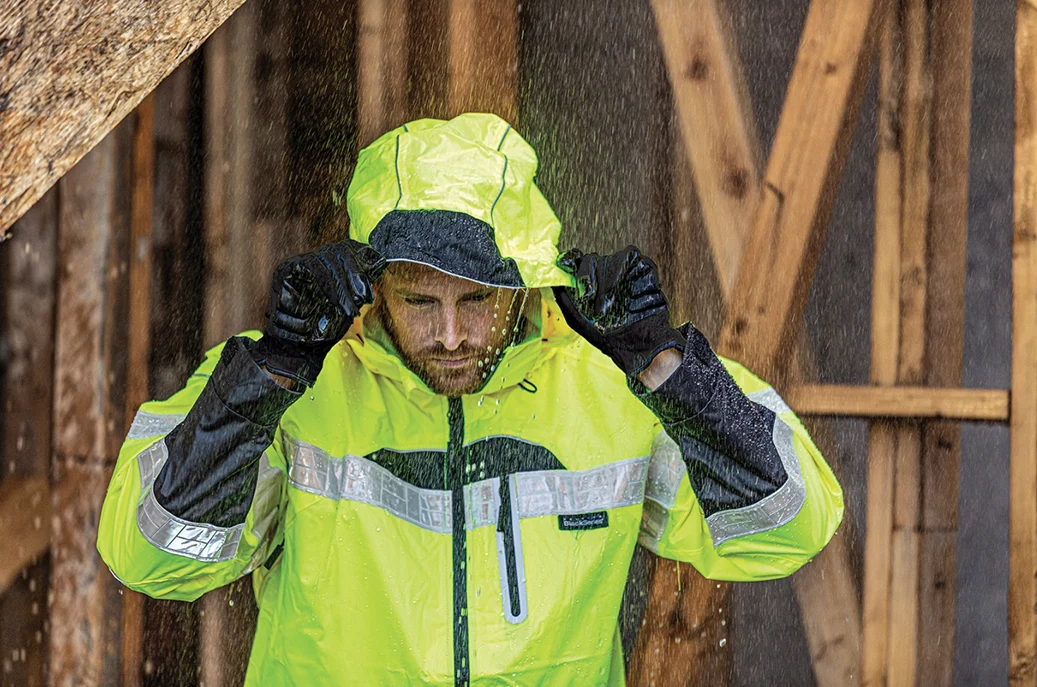
Strong waterproof features build the base of good rain gear for construction. Items like PVC, polyurethane-coated cloths, or polyester joined with PVC give full shields against long time in rain. Water-resistant kinds might work for light rain. But they usually fail in heavy storms often seen on work sites. Closed seams and taped builds add more shield. They stop water from getting in at key spots. Putting fully waterproof styles first makes sure workers stay dry during long hours in wet weather.
2. Opt for Breathability
Breathability stops moisture from sweat from building up. This can cause unease during hard physical jobs. Cloths like breathable polyester or ones with tiny pore coatings let vapor out. Yet they block outside water. Extra parts such as armpit vent zippers or mesh insides boost air flow. In construction areas where lifting heavy things and moving a lot create heat, breathable raincoats keep ease. They also lower the chance of getting too hot.
3. Check for High-Visibility Compliance
Safety rules on construction sites often require bright apparel. This is especially true in dim light or bad weather. Raincoats that meet standards like ANSI/ISEA 107 use bright colors such as lime yellow or orange. They pair these with retro-reflective strips. Class 3 items give the top level of sight. These suit places with big machines or traffic. Reflective parts make sure workers stay easy to spot even when rain cuts sight. This adds to full site safety.
4. Prioritize Durability
Construction needs tough gear that can handle scrapes, rips, and hard use. Stronger items like ripstop polyester or heavy-duty PVC fight holes from tools and trash. Built-up spots at elbows, shoulders, and knees make life longer in high-use areas. Double-stitched seams and bar-tacked points add more strength. Tough raincoats cut down how often they need replacement. They keep protective traits over time in rough job site settings.
5. Choose an Appropriate Length and Fit
Fit and length affect movement and cover right away. Waist-length or 3/4-length jackets let free motion for climbing ladders or running tools. At the same time, they give enough body shield. Adjustable parts include cuffs, hems, and waist cords. These allow changes to close out wind and rain. Roomy styles fit over work clothes or safety vests without limiting motion. Good fit makes sure the raincoat helps rather than slows down work on the job.
6. Look for Hood Adjustability and Compatibility
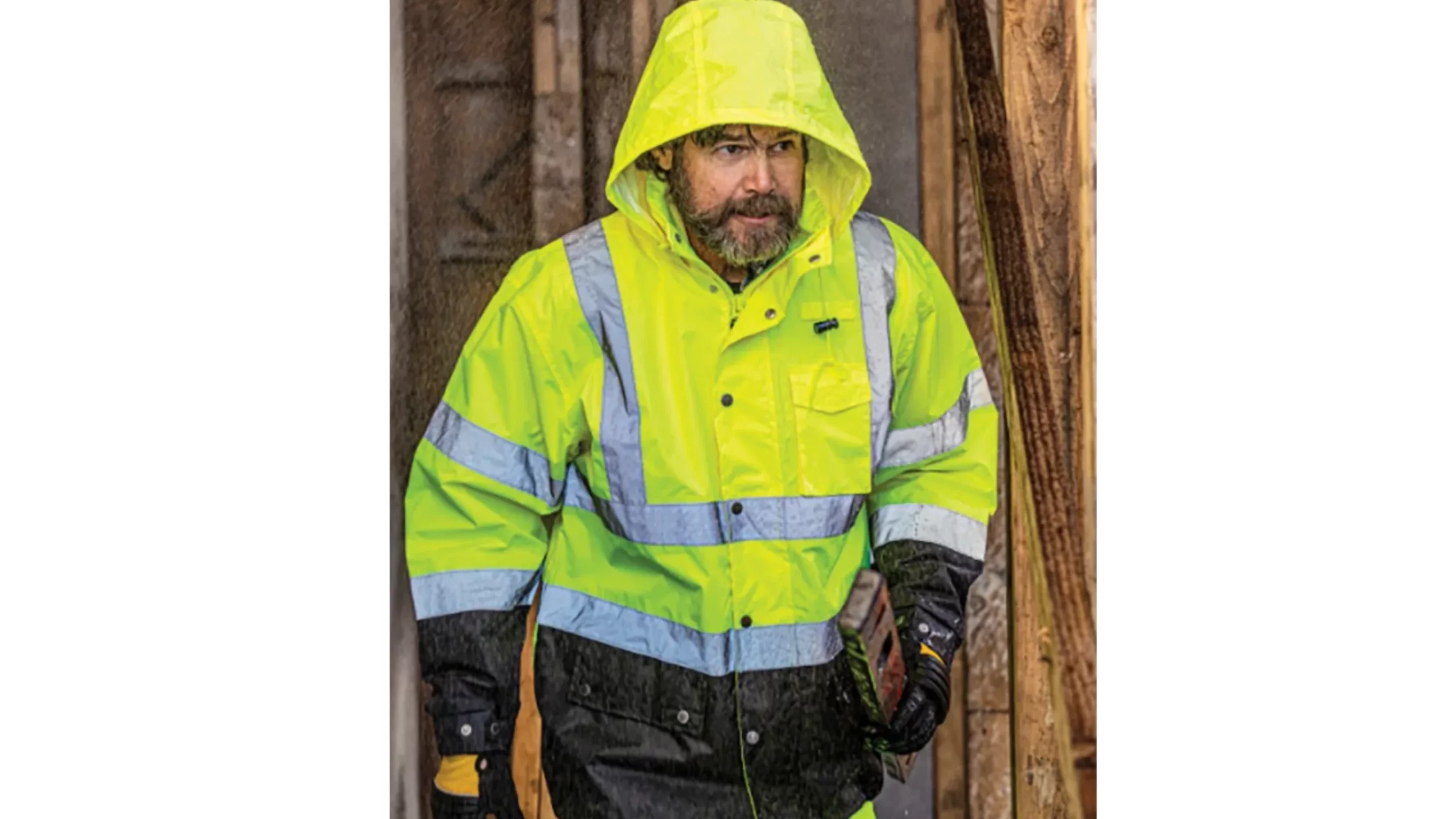
Good head shield needs hoods that tighten well with drawstrings or Velcro. Designs that work with helmets fit hard hats without hurting fit or sight. Removable or stowaway hoods give choices for different weather. Storm flaps and peaked edges push water away from the face. In construction, where hard hats are normal, hood match proves very useful for full cover.
7. Consider Insulation for Cold Weather
Rain often comes with lower temperatures. This calls for choices in warmth shield. Raincoats with removable liners or fleece insides give heat without losing waterproofing. Styles that let layering under adapt to season shifts. Insulated but breathable kinds stop chills during winter construction tasks. They support worker health and attention in cold, wet settings.
8. Pay Attention to the Weight and Packability
Lightweight builds cut down tiredness during long hours. Items like EVA or thin polyester lower bulk yet keep strength. Packable raincoats fold into small pouches for simple storage in tool bags or trucks. This part works well for sudden weather. It allows fast use when rain starts without adding extra weight to daily items.
9. Evaluate Pocket Options and Accessibility
Useful storage keeps needed things close and safe. Many pockets with safe closures like zippers or storm flaps guard tools, phones, and papers from wet. Inside pockets give extra safety for important items. Pass-through pockets let reach to layers below. In construction, smart pocket designs boost speed. They keep hands free and things dry.
10. Research Materials and Construction Standards
Quality comes from tested items and making steps. Choices like PVC-polyester mixes deliver work-grade performance fit for outdoor jobs. Certifications for waterproof scores (e.g., hydrostatic head measurements) and safety rules guide picks. Checking details from known makers ensures trust in real construction uses.
Conclusion: Key Factors in Choosing Raincoats for Construction
Good raincoats for construction combine waterproofing, breathability, high visibility, durability, and useful features into one protective gear. Balancing these parts supports safety, ease, and output in hard weather. Putting money into right rainwear changes possible stops into easy conditions. This enables steady work on site.
Frequently Asked Questions (FAQ)
What is the difference between waterproof and water-resistant raincoats?
Waterproof raincoats have sealed builds and coatings that stop water entry fully. These suit heavy rain. Water-resistant kinds push away light wet but may soak over time.
Why is high-visibility important in construction raincoats?
High-visibility parts, such as bright colors and reflective tape, make sure workers stay seen in bad weather or low light. They meet safety standards and cut accident risks.
Can raincoats for construction be breathable and waterproof at the same time?
Advanced items like breathable polyester-PVC laminates reach both. They let moisture vapor out while stopping rain in.
How should a construction raincoat fit?
It should allow full motion range, fit layering, and have adjustable parts for tight seal against weather.
Are there durable materials recommended for construction sites?
PVC, reinforced polyester, and EVA give great fight to tears, scrapes, and chemicals common in construction.
Do construction raincoats need to be helmet-compatible?
Hoods made for hard hat match offer better shield without bothering required headgear.
Partner with a Reliable Raincoat Manufacturer and Supplier for Bulk Orders
Businesses looking for high-quality raincoats for construction teams, promotional distribution, or resale gain from direct work with skilled manufacturers. RAINCOATGIFT works as a leading factory, manufacturer, and supplier of customizable rainwear. This includes durable PVC-polyester workwear, breathable industrial-grade options, and reflective safety designs. With over a decade of expertise in Yiwu, China, the company offers OEM/ODM services, low MOQ for custom orders, and materials tailored for outdoor protection. Contact the team today for quotations on bulk waterproof raincoats suited to construction needs—email info@raincoatgift.com or WhatsApp +86 159 2424 0714 to discuss requirements and explore factory-direct solutions.