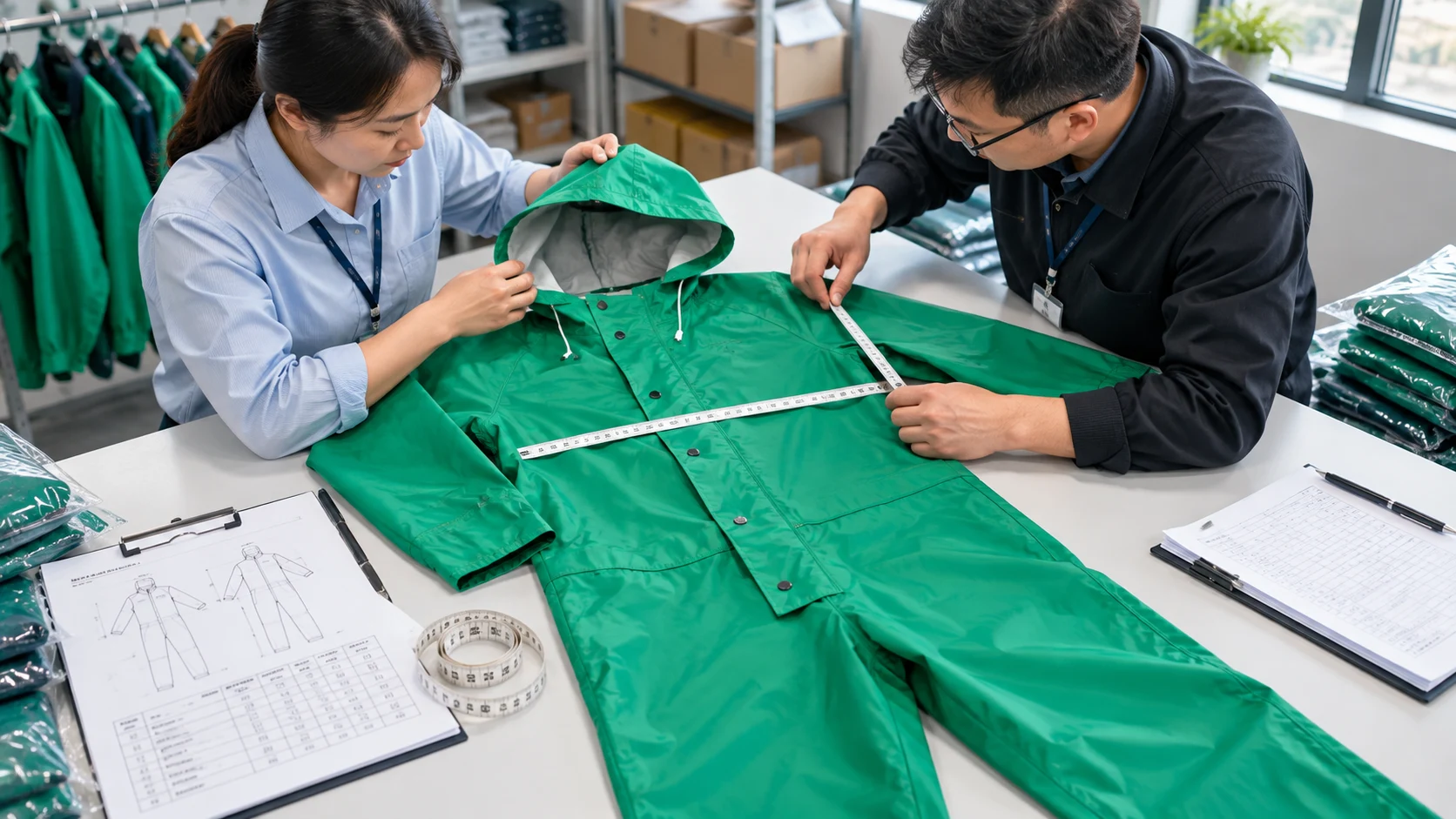
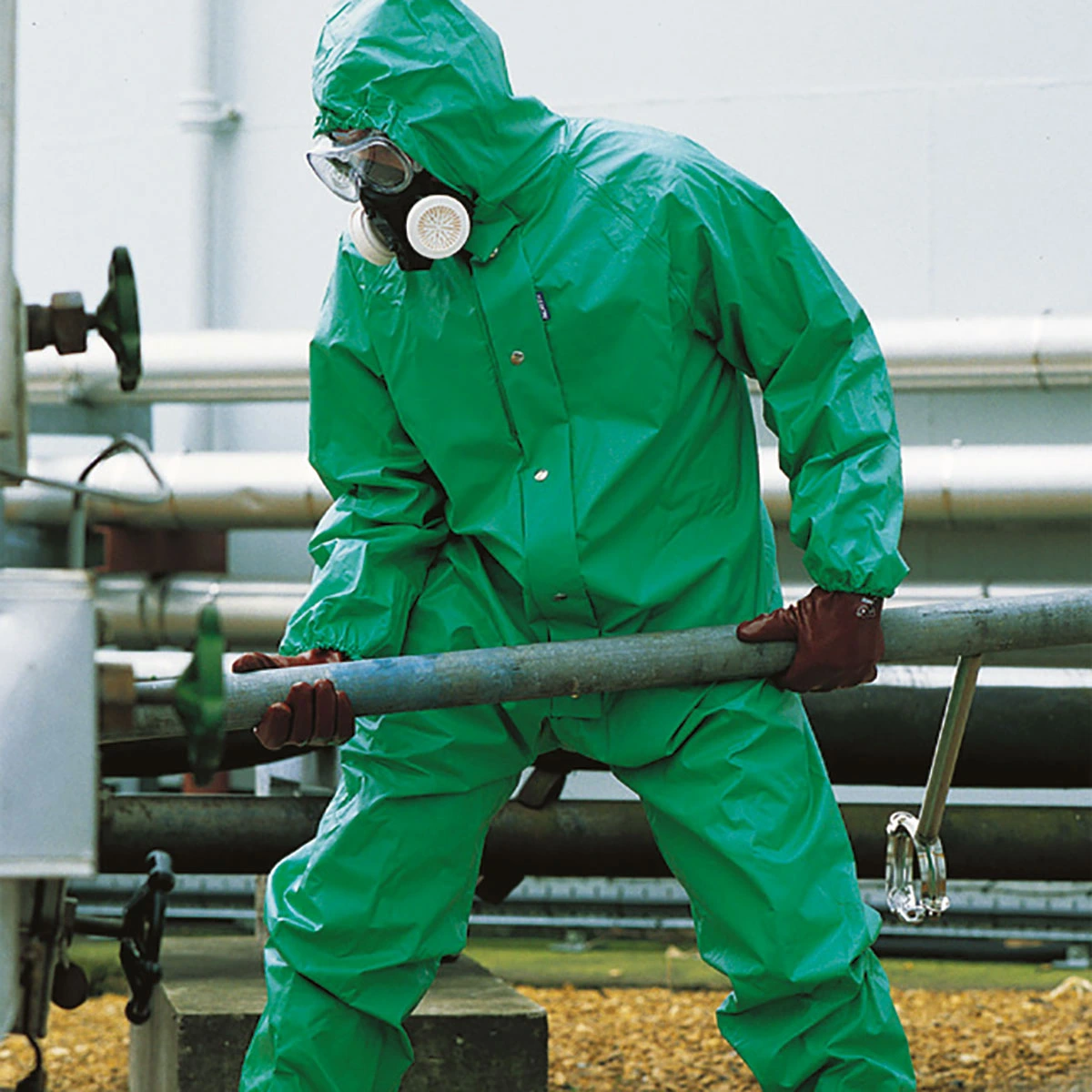
Chemical-resistant rain jackets and coats give double protection in situations where strong rain meets dangerous liquid contact. People also call them chemical-resistant rainwear, acid-proof rain gear, alkali-resistant protective clothing, or limited chemical splash protective apparel. These pieces stop water from getting in. At the same time, they create shields against splashes, spills, and limited passing through from harsh stuff like acids, alkalis, oils, solvents, and industrial chemicals.
Understanding Chemical-Resistant Rainwear
Core Differences from Standard Rainwear
Regular rain jackets focus on keeping water out. They usually have breathable layers or coverings for comfort during normal outdoor activities. On the other hand, chemical-resistant types put more stress on being fully waterproof. They use special strong coatings and building methods. These block not just rainwater. They also stop liquid chemicals. This clear difference gives safety in places where unexpected contact with harsh chemicals happens together with wet weather.
Relevant Standards and Certifications
Checks on how well they work depend on known testing rules. ASTM F903 looks at how well the material resists liquid getting through under force. It copies splash or spray situations that often happen in factories. ASTM F739 checks resistance to chemicals passing through. It measures the speed at which chemicals move across the fabric over time. EN 14605 (Type 3 or 4) deals with shields against liquid streams or mists in European rules. Other rules like ASTM D6413 cover fire resistance when there are mixed dangers. Approvals from these groups show that the clothing fits certain chemical contacts and strengths.
Primary Application Scenarios
Chemical Manufacturing and Processing Plants
Workers in making, mixing, or moving areas deal with strong acids, bases, and solvents. Rain or cleaning with water makes splash dangers worse. So chemical-resistant jackets become very important. They cover the body and arms during normal or urgent work.
Laboratory and Research Facilities
Work areas that use harsh chemicals in tests, sample making, or cleaning need shields from drops and spills. Damp air from moisture buildup, spills, or outside weather calls for gear that stays strong. It does this while still allowing easy hand movement.
Hazardous Material Transportation and Handling
People moving drums, tanks, or boxes run into weather plus possible leaks. Jackets with extra coverage and tight seals guard against rain and chemical events together. This happens during loading, unloading, or travel.
Acid and Alkali Cleaning Operations
Large amounts of liquid in tank washing, surface cleaning, or grease removal put people in direct touch. Chemical-resistant rainwear holds up to long splash contact in these wet and harsh jobs.
Additional Industrial Environments
Oil and gas digging spots, battery making plants, wastewater cleaning places, and metal treatment sites face mixed water and chemical dangers. These come from process fluids, steam, or outside rain.
Core Materials for Chemical Resistance
Polyvinyl Chloride (PVC) Coatings
PVC often goes on in several layers over polyester or nylon bases. It gives cheap, wide protection against many inorganic acids, alkalis, and oils. Thick kinds (0.35mm–0.45mm thick) make solid shields. Double PVC builds do very well in high-strength acid settings according to ASTM-tested items.
Neoprene (Polychloroprene) Coatings
Neoprene brings better resistance to rubbing. It stays bendy over different temperatures. It works well with oils, fuels, solvents, and some acids. Put on nylon bases, it keeps toughness in rough and scratchy factory settings. It also makes sure chemicals stay out reliably.
Polyurethane (PU) Coatings
PU on nylon or polyester feels lighter. It gives more bend compared to PVC. It handles splashes from some chemicals well. Several layers of PU boost results in medium contact cases. Still, it might not match PVC in very strong acid or tough jobs.
Material Thickness and Substrate Considerations
Fabrics go from 0.25mm for lighter tasks to more than 0.45mm for heavy factory needs. Bases like thick nylon or polyester add strength against tears. They help the coating stick well. This mix keeps safety and easy movement together.
Critical Construction Features for Liquid-Proof Performance
Seam Technologies and Integrity
Seams create the biggest chance for liquid to break through. High-frequency welding (Therm-O-Rad sealed) or heat-sealed ways join layers without holes. This makes unbroken shields. Taped or double-taped seams add more strength against leaking under force or long contact.
Hood and Head Protection Designs
Fixed hoods come with drawcord changes or snap/elastic ends. They give a tight fit and complete cover. Hoods that snap off add flexibility for different weather.
Cuff and Closure Systems
Inner cuffs with elastic, snap-changeable wrists, or take-up snaps close tight at the wrists. Storm flaps with strong snaps or zippers cover the front. They often have Velcro or extra blocks to stop wind-blown rain and chemicals.
Reinforcement and Ergonomic Elements
Stronger spots at elbows, shoulders, and high-wear places make the item last longer in busy work. Raglan sleeves help with movement. Batwing or set-in types fit certain motions better. Linings that resist mold and non-woven insides make long wear more comfortable.
Breathability Challenges and Practical Usage Considerations
Impact of Impermeable Coatings
Waterproof materials naturally limit vapor escape. This causes heat and sweat to build up inside during warm or hard physical work. It can speed up heat stress dangers in long factory time.
Mitigation Strategies in Industrial Settings
Workers frequently add layers with sweat-pulling underclothes. These move moisture away from skin. Some designs have air holes under arms or small mesh parts. Planned shift breaks, checks on heat levels outside, and picking the right weight clothing help control comfort. They do this without losing safety.
Selection Based on Exposure Profiles
Picking clothes to match chemical kind, strength, length of contact, and heat needs looking at permeation data tables. Do not assume one fits all. Always check if it works for each danger.
Popular Styles and Configurations
Jacket Length Variations
Waist-length jackets focus on easy movement for jobs with lots of reaching or bending. Knee-length or longer coats give more splash cover lower down. They work better in big splash cases.
Two-Piece Rainsuits
Jackets paired with bib pants or full suspenders give full body cover. These outfits do great in cases that need top protection from splashes above or below.
High-Visibility and Multi-Hazard Options
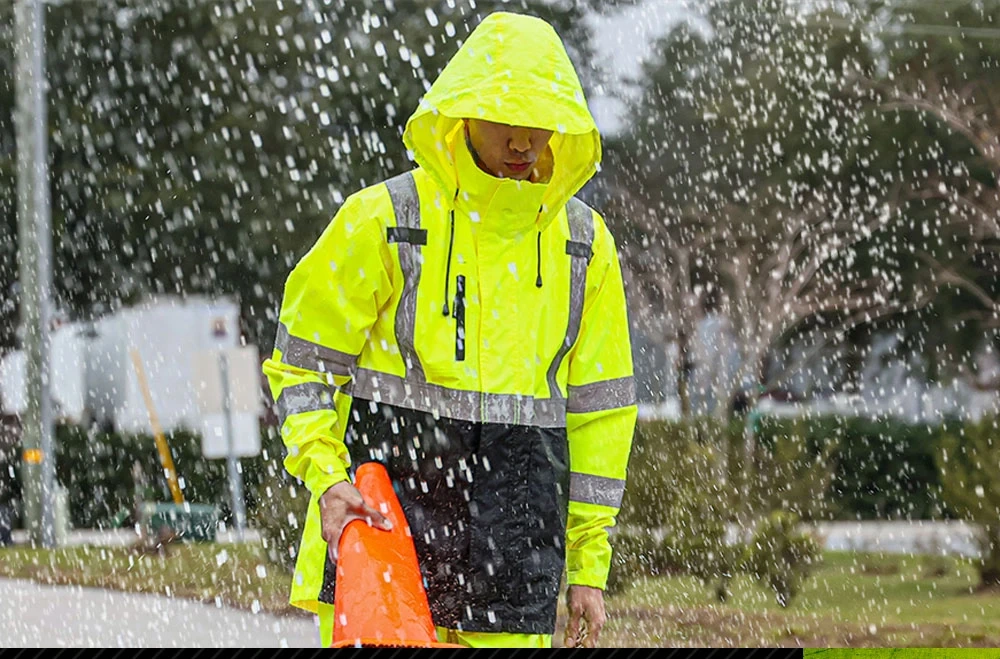
ANSI-approved reflective strips in lime, orange, or yellow improve safety in dim light. Some add fire-resistant traits (per ASTM F2733 or D6413) for places with arc flash, flash fire, or spark dangers along with chemicals.
Specialized Features for Versatility
Drawstring bottoms, D-ring spots for fall protection harnesses, and changeable parts help the gear fit many factory jobs.
Why Chemical-Resistant Rainwear Is Vital for Worker Safety
Mixing rain and harsh chemicals brings risks of quick chemical burns, skin taking in poisons, or extra hurts from poor grip when wet. Good gear cuts these dangers. It follows OSHA rules and factory health practices. It also helps keep work going in risky wet spots.
RAINCOATGIFT
RAINCOATGIFT, a professional manufacturer, supplier, and factory based in China with extensive experience in rainwear production, offers customizable PVC and polyester raincoats designed for waterproof durability and industrial applications. Specializing in OEM/ODM services, RAINCOATGIFT delivers high-quality, export-ready products featuring reliable seams, breathable options where applicable, and reflective elements to meet global client specifications in protective gear.
FAQ
What distinguishes chemical-resistant rain jackets from ordinary rain jackets?
Chemical-resistant versions use specialized impermeable materials and sealed seams. They provide barriers against chemical splashes, acids, alkalis, and oils. This comes in addition to waterproofing for rain.
Which materials deliver the strongest chemical resistance?
PVC offers economical broad-spectrum resistance to acids and alkalis. Neoprene excels against oils and abrasion. Polyurethane provides balanced splash protection. Compatibility depends on the targeted chemicals.
How can the chemical resistance of a rain jacket be verified?
Certifications such as ASTM F903 for penetration resistance or ASTM F739 for permeation work well. Add manufacturer-provided chemical compatibility charts. These show proven performance.
Does chemical-resistant rainwear allow any breathability?
Most designs focus on impermeability over breathability to ensure protection. Still, ventilation features or layered systems show up in some models. Long use often needs helpful inner layers.
What key features should chemical-resistant rain jackets include?
Look for welded or taped seams, storm flaps, adjustable hoods and cuffs, reinforced high-wear areas, and appropriate material thickness for the intended hazards.
Partner with a Reliable Manufacturer and Supplier for Custom Chemical-Resistant Rainwear Solutions
Industrial clients, wholesalers, and distributors requiring bulk OEM/ODM production of chemical-resistant rain jackets, heavy-duty PVC raincoats, or tailored protective rainwear can connect with RAINCOATGIFT as a trusted manufacturer, supplier, and factory. Leveraging factory-direct capabilities, customization expertise, and consistent quality in durable waterproof gear, RAINCOATGIFT supports volume orders and specific feature requirements for global safety applications. Visit raincoat-gift.com to submit inquiries, request samples, obtain quotations, or discuss long-term supply partnerships.