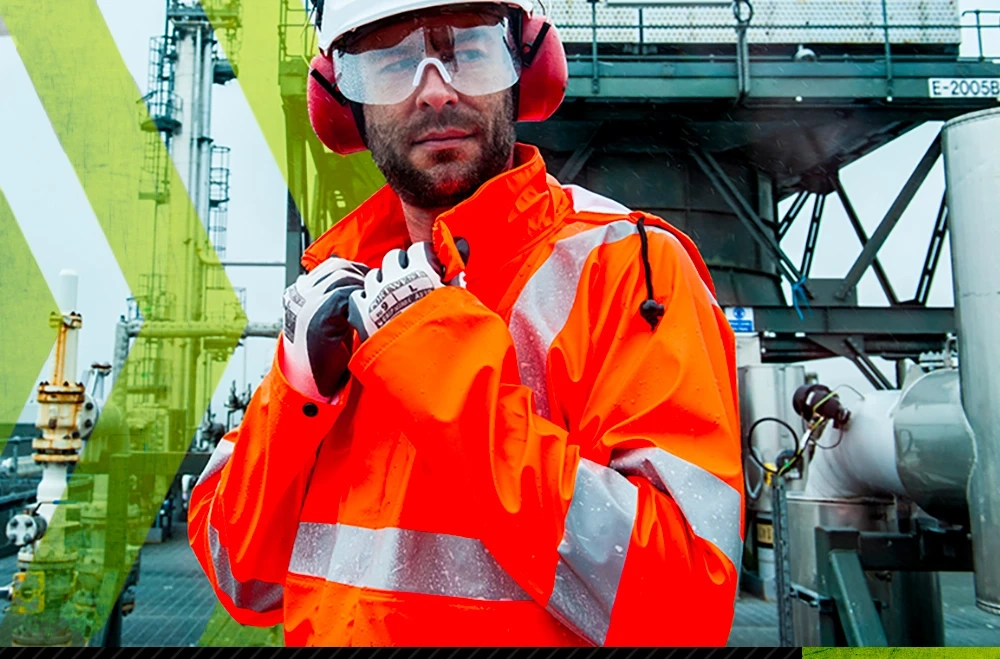
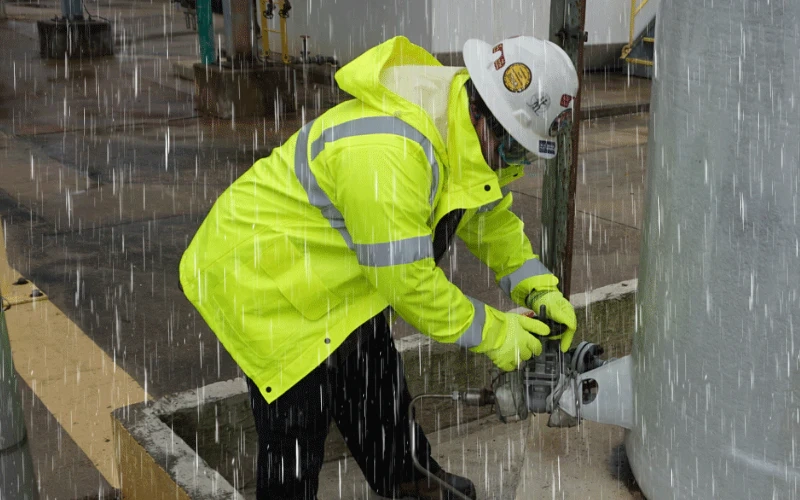
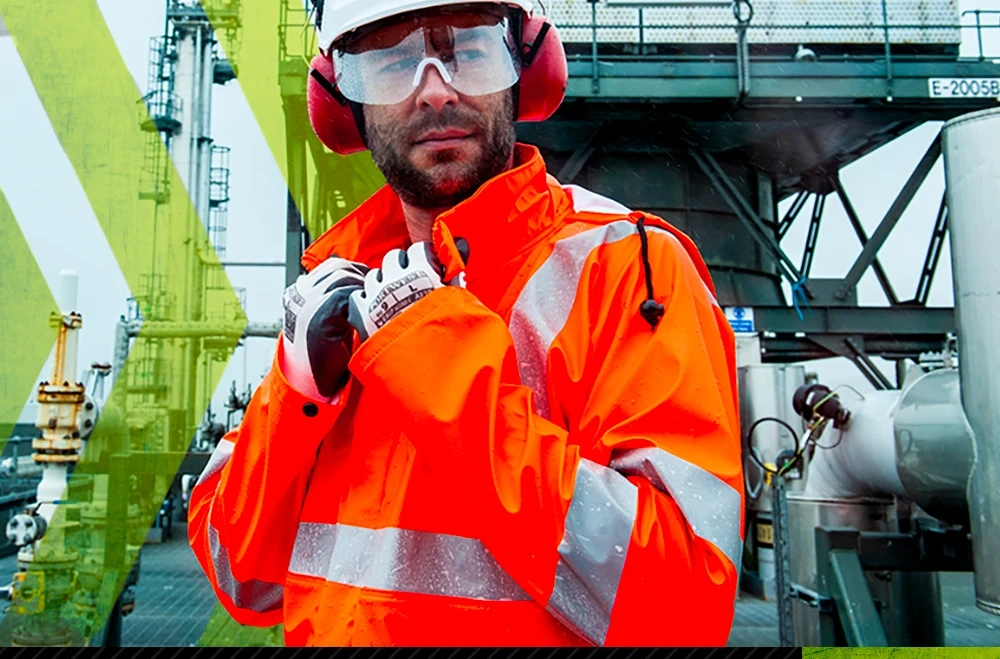
High visibility rain gear combines waterproof layers with reflective or bright fluorescent parts. This keeps workers easy to see and dry in dark, rainy places. Jobs that need ANSI Class 2 or Class 3 certification—like road construction, utility maintenance close to traffic, and highway flagging—must use certified hi-vis rain gear to follow rules. For jobs without certification needs, suits with added reflective parts give better waterproofing, breathability, and strength. They often cost less when bought in large amounts through bulk manufacturing.
Key Takeaways
- ANSI/ISEA 107-2020 stays the main standard. It has small changes in testing, labeling, and single-use items. There are no big structural shifts from 2015.
- Certified gear focuses on meeting visibility rules. It usually reaches 8,000–12,000mm waterproof ratings. Reflective workwear suits often go beyond that for longer time in rain.
- Polyester/PVC builds with reflective strips offer good resistance to scratches, taped seams, and stronger visibility at night. They do not need full fluorescent backgrounds.
- New market patterns show more interest in mixed solutions. These combine strong waterproofing (10,000mm+) with some reflectivity for jobs with different risks.
- Long-term value comes from strong, customizable gear instead of replacing basic certified items often.
Understanding ANSI High Visibility Standards
The ANSI/ISEA 107 standard comes from the American National Standards Institute and International Safety Equipment Association. It sets the lowest performance levels for high-visibility safety apparel (HVSA) in areas near traffic or heavy equipment. The 2020 update (still current in 2026) improves testing methods and labeling. However, it keeps the main Type R (roadway) types the same.
ANSI Visibility Classes Explained
- Class 1: Low-risk. It needs at least 155 sq in fluorescent background plus 20 sq in retroreflective material. This works for parking attendants or areas with slow traffic.
- Class 2: Medium-risk. It requires 775 sq in background plus 201 sq in reflective material. This is needed for roadside maintenance, utility work, and railway workers.
- Class 3: High-risk. It demands 1,240 sq in background plus 310 sq in reflective material. This is required for highway flaggers, emergency responders, and areas with speeds over 50 mph or close traffic contact.
Certification requires bright lime-yellow or orange-red fluorescent backgrounds for day visibility. It also needs retroreflective tape (at least 2-inch width) for full 360-degree view at night. Tests check that performance holds up after rubbing, washing, and wet situations.
When ANSI Certification Is Required
OSHA (29 CFR 1926.201) and MUTCD rules require HVSA for work on roadways. Many states demand Class 3 in fast-speed areas. Recent MUTCD changes (effective 2025 onward) apply the rules to all workers in work zones, not only flaggers.
Typical roles include:
- Road and highway crews
- Utility repairs within 15 feet of active roads
- Railway maintenance (FRA mandates)
- Traffic control
- Emergency roadside services
- Airport ramp operations
- Tow truck drivers
Reflective-Enhanced Gear for Non-Regulated Applications
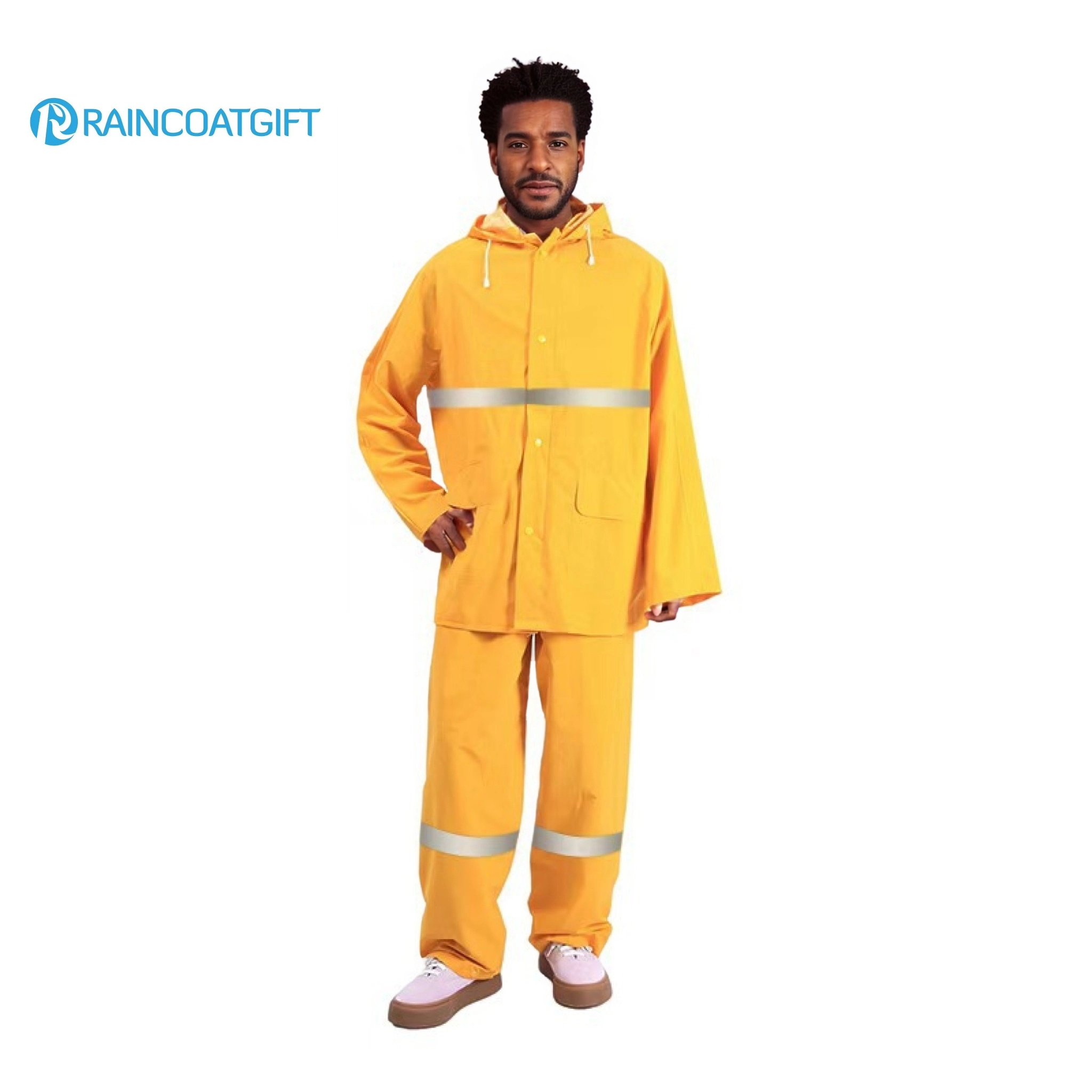
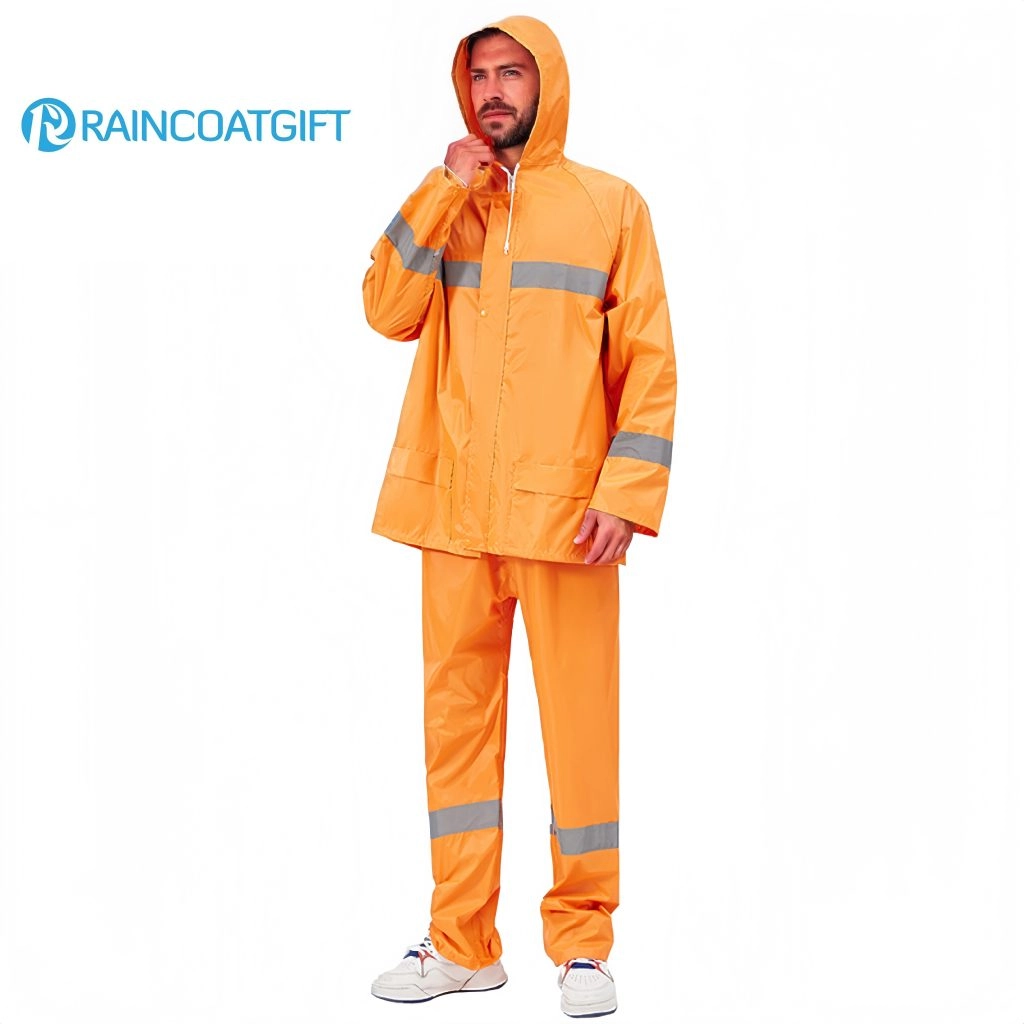
Reflective strips or edges give useful visibility in marine work, sanitation, agriculture, landscaping, and labor protection. These do not face roadway rules. Such suits put more focus on strong materials instead of full fluorescent areas.
Polyester/PVC suits with reflective touches provide light but tough protection. They often include comfortable designs, adjustable parts, and taped seams for reliable use in all weather. This helps in sanitation or outdoor labor tasks.
Why Dedicated Hi-Vis Rain Gear Has Lower Waterproof Ratings
Fluorescent colors make it hard for membranes to stick well. Reflective tape creates extra holes at seams. Gear built for compliance often uses lighter fabrics to allow easy movement. This limits the use of advanced waterproof methods.
Most certified choices reach 8,000–12,000mm (enough for normal rain). Premium versions hit 10,000–20,000mm in recent checks.
Technical reflective suits use PVC/polyester laminates. These give higher resistance to water pressure, better tolerance to scratches, and fully welded seams.
Jobs Requiring ANSI-Certified Hi-Vis Rain Gear
Rules demand this gear in busy traffic or fast-speed settings. It helps reduce dangers from drivers who are not paying attention. Employers can face fines without it.
Road Construction and Highway Work
State DOT specs often require Class 3 for speeds 50+ mph or direct exposure.
Utility Work Near Roadways
Class 2 is common. Some utilities require Class 3 for all cases.
Emergency Response and Towing
Class 3 is standard for roadside incidents.
Railway, Transit, and Airport Operations
FRA and airport policies match ANSI Class 2/3.
Jobs Where Reflective Rain Gear Elements Suffice
Sanitation workers, outdoor labor, commercial fishing, landscaping (non-roadway), agriculture, and marine roles benefit from reflective parts plus strong waterproofing for long wet conditions.
What to Look for in High Visibility Rain Gear
Waterproof Performance Ratings
Higher mm ratings (e.g., 10,000mm+) fit heavy or long rain. ASTM/ISO hydrostatic testing keeps results steady.
Breathability and Ventilation
5,000–15,000 g/m²/24h stops sweat from building up. Pit zips and mesh areas help air flow during active tasks.
Seam Construction and Durability
Fully taped or welded seams are very important. PVC/polyester holds up better against tears and scratches than lighter PU coatings.
Reflective Material Quality and Placement
Stitched or welded strips keep working well after washing. Placement on moving parts (shoulders, arms, legs) helps others spot the wearer.
Customization and Bulk Features
Low MOQ options, logo printing, color and fabric choices support B2B needs for uniform workwear.
Additional Considerations: Maintenance and Replacement
Regular checks for fading reflective parts or seam problems keep compliance going. ANSI garments often need replacement every 1–3 years depending on use. Durable PVC suits last much longer.
Top High Visibility Rain Gear Compared
Dedicated ANSI gear does well on rules but gives up some extreme waterproofing. Reflective-enhanced polyester/PVC suits provide good balance for non-certified jobs. They bring advantages like tear resistance and low-cost bulk buying.
Making the Honest Choice
Put certified gear first for areas with traffic rules. Pick reflective-enhanced options for better waterproofing and longer use in lower-risk or mixed situations.
Recommendations by Application
- Road Construction/Highway Work: ANSI Class 2/3 dedicated rain gear (e.g., models with 10,000mm+ ratings from recent reviews).
- Sanitation and Labor Protection: Polyester/PVC reflective suits for visibility, full waterproofing, and abrasion resistance in wet, dirty conditions.
- General Outdoor/Landscaping: Reflective elements with high breathability for comfort during extended shifts.
- Utility with Mixed Needs: Reflective base suit layered with ANSI vest for flexible compliance.
High visibility rain gear must match the risks of each job. It balances visibility, waterproofing, and strength for the best safety and work results.
Frequently Asked Questions
Do jobs require ANSI-certified high visibility rain gear?
Road construction, utility work near roadways, highway flagging, emergency response, railway operations, and airport ground crews usually need ANSI certification per OSHA or employer policies. Sanitation, labor protection, fishing, and non-roadway outdoor work often need only reflective enhancement.
What ANSI class applies to construction?
Class 2 fits medium-risk zones under 50 mph. Class 3 works for higher speeds or direct traffic exposure. Federal and state projects may require Class 3.
Can reflective strips meet ANSI requirements?
No—ANSI needs certain fluorescent backgrounds and certified retroreflective setups. Adding strips to non-certified gear does not meet the standard.
Is high visibility rain gear as waterproof as technical rain suits?
Typically no—ANSI options range 8,000–12,000mm because of material and build limits. Reflective workwear suits give strong waterproofing (often 10,000mm+) for longer exposure.
What factors improve long-term value in rain gear?
Focus on taped seams, breathability, reflective strength, abrasion-resistant materials like PVC/polyester, and bulk customization for good performance in tough conditions at fair cost.
How do recent standards updates affect gear selection?
The ANSI/ISEA 107-2020 revision stresses steady testing and labeling. Gear that met 2015 rules is still okay. Newer models add improved measures for visibility in wet weather.
Partner with a Reliable Raincoat Manufacturer and Supplier
RAINCOATGIFT serves as a leading manufacturer, supplier, and factory specializing in customizable raincoats, including polyester PVC waterproof rain suit sets with reflective strips for outdoor workwear, sanitation, and labor protection.
With over 20 years of experience, a 15,000 square meter facility in Yiwu, China, and daily production capacity for thousands of units, the company offers OEM/ODM services, low MOQs starting at 500 pieces, bulk discounts, logo printing, fabric/color customization, and reliable export to global markets including the US, Europe, and beyond.
Contact the team for wholesale inquiries, custom designs, and competitive solutions to meet bulk rain gear needs efficiently and professionally. Reach out via the website or at the Yiwu address for prompt B2B support.