Introduction
When weather turns wild in 2026, people who enjoy outdoor activities seek equipment that offers much more than basic protection from rain. Comfort is important. The same goes for easy movement without trouble. Safety counts as well, particularly when paths get slick or routes turn dangerous. Respect for the environment comes next. Materials need to be kind to nature. Picture walking across mountain fields or cycling on urban roads wet with dim glow. The ideal jacket manages everything without adding extra weight.At RAINCOATGIFT, we offer rainwear designed for harsh outdoor conditions to match these needs.
Rain strikes firmly when breezes push and heat levels change. Outdoor ideas fade quickly if items are not ready for the job. Many jackets manage slight fog well enough. Yet that is often their limit. Some endure intense pours. Others resist strong blasts. Selecting one that matches your spot and task level is vital. This approach keeps your outdoor moments enjoyable and free from dampness.
Consider the Material
Waterproof vs. Water-Resistant
Outdoor equipment frequently causes confusion. One individual may label something waterproof while another views it as resistant. During mild sprinkles, a protected jacket can cope. However, not all cloths stand up to major rains. It permits water to pass during severe storms. In comparison, a firm waterproof jacket stops rain entirely. For demanding outdoor jobs, select one that truly blocks water. Secure its joins with tape. Also, ensure the fasteners stay covered by guarding layers.
For a deeper comparison of material performance like PVC, PU, or polyester and how they affect breathability and waterproofing, check the 5 Best Raincoat Materials guide on our blog.
Popular Materials
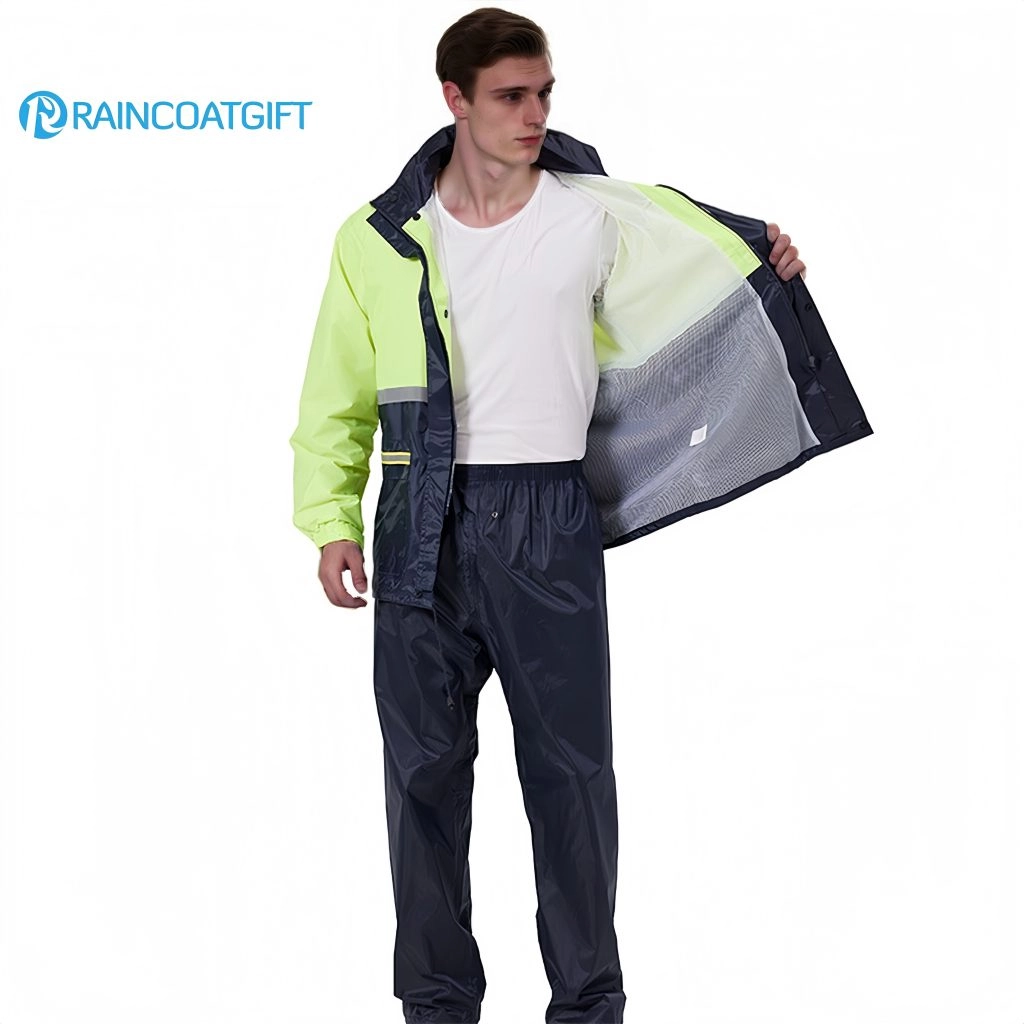
Deciding on the makeup of a raincoat affects more than water blocking. It influences how sturdy it seems and how much it weighs. By 2026, most outer garments come from:
- PVC (Polyvinyl Chloride): Tough and waterproof but weak on ventilation. It works for factory jobs or fixed positions.
- Nylon and Polyester: Light and often seen in foldable raincoats for journeys.Many hikers and everyday users prefer options like the 100% Polyester Raincoat/Poncho collection for lightweight, breathable protection in variable conditions.
- PU (Polyurethane) coatings: Usually added to polyester or nylon to improve water resistance.
- Gore-Tex: A top fabric recognized for keeping water out and providing breathability.
- EVA (Ethylene Vinyl Acetate): Flexible and safe, commonly used in budget or children’s raincoats.
Each material offers options regarding cost, performance, and comfort.
Breathability
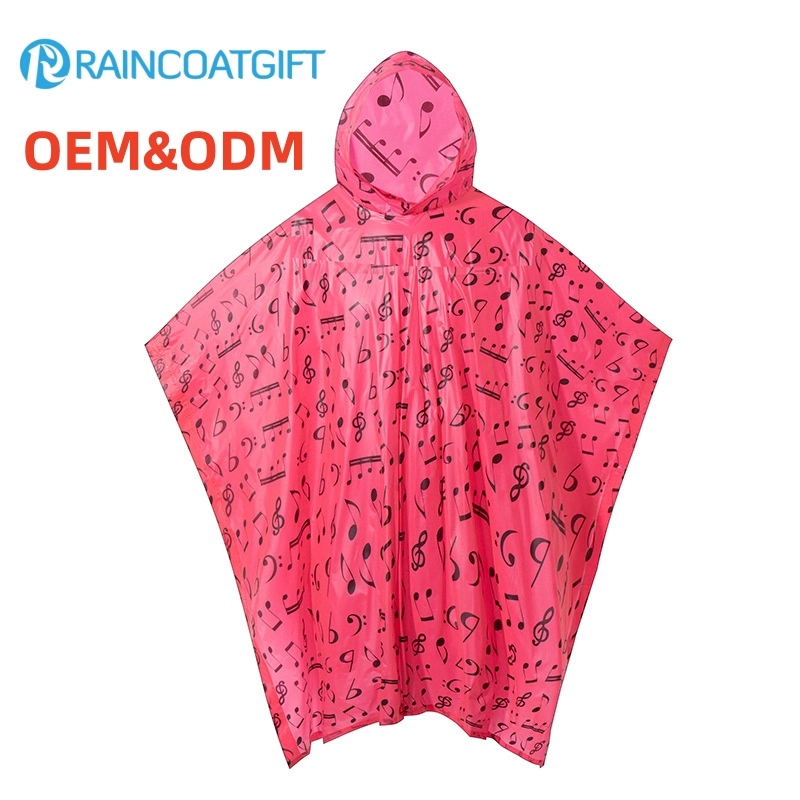
Following only some strolls, moisture builds inside if air cannot flow through the jacket. Remaining dry loses value if the cloth becomes moist from body warmth. Air circulation is essential just like keeping water away. Dampness escapes the body only when the jacket permits it to depart. Therefore, you avoid getting soaked. Opt for coats with openings at the sides, net-like inner parts, or airy fabrics. This is key when you engage in vigorous actions.Lightweight and breathable options like Adults Unisex Waterproof Raincoats with EVA material offer good airflow while keeping you dry during vigorous activities.
Evaluate the Fit and Design
Comfort and Mobility
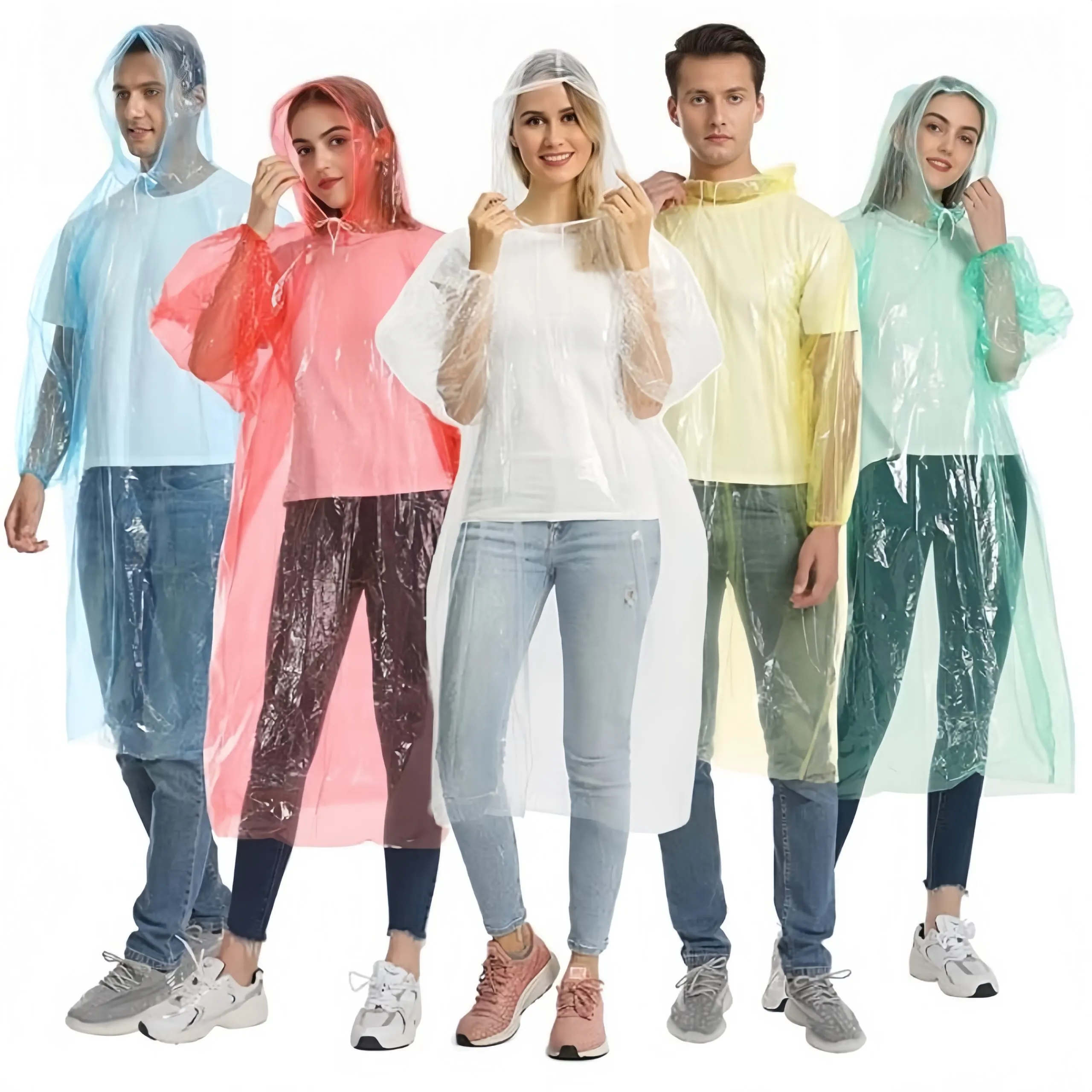
A raincoat serves little purpose if it limits your actions. Trails for walking involve rocks to cross, items to hold, and sharp inclines to manage. Choose one that allows complete turns, full reaches, and yet holds the edge in place. The raincoat requires area for garments below. However, it must remain snug instead of dangling freely.
Lightweight vs. Heavy-Duty Raincoats
No single type suits all needs. For brief outings or travel in busy spots, a slim foldable jacket is perfect. Climbing high grounds or going on extended journeys demands a durable coat. It should have reliable stitches and lasting cloths. Such features are crucial.
| Scenario | Recommended Raincoat Type |
| Day hike in summer | Lightweight, packable |
| Backpacking in variable weather | Waterproof & breathable |
| Snowy mountain trekking | Insulated, layered design |
| Urban commuting | Stylish trench or parka |
Layering Considerations
When temperatures drop, you may desire room beneath the coat for additional clothing. Thin shirts suit early fall. Warm wool pieces fit winter. Options like changeable edges, fitted ends, or adjustable bands adapt well as weather varies. It alters form based on what you layer underneath.
Focus on Durability and Quality
Long-Term Performance
When people pick a solid raincoat for rugged outdoor excursions, endurance is critical. Select those designed to withstand fading, marks, and warmth damage. Fabrics such as 70D nylon with close weaves usually last much longer than open, thin versions.
Reinforced Areas
Rubbing erodes cuffs, elbows, and shoulders quicker than other parts. Premium models include added cloth or firm patches in those areas. Although it appears small, this aids in prolonged wear.
Key Features for Outdoor Adventures
Hood Design
A reliable hood is vital. Look for parts like:
- Adjustable drawcords
- Helmet compatibility
- Stiffened brims to keep rain off your face
A hood that expands wide assists in diverting rain from your skin. Some close firmly like a barrier when required. Others retract like a shade if you seek fresh air. A tiny tie at the base allows it to hang gently yet remain near. Some fasten securely without visible bands. Edges lift to make drops fall away smoothly.
Ventilation
When active, air needs space to circulate. Slots under arms or gaps along the rear permit flow instead of holding heat. For ascending slopes or hurrying on paths, this is more vital than it first seems.
Pockets
Pockets provide more than just ease. They supply area for items. Examine closely:
- Waterproof zippers
- Storm flaps over pocket entries
- Internal stash pockets for valuables
Deep, zippered pockets keep essentials dry.
Adjustable Cuffs and Hems
Velcro cuffs and hem strings block wind and intense rain. When you must alter the looseness or tightness, those elements simplify the process.
Consider Weather Resistance and Temperature Ratings
Temperature Ratings
Some raincoats include built-in warmth. Certain styles fit over inner garments. If moving through various seasons or places, choose adaptable items. They manage showers or icy particles without issues.
Waterproof Ratings (mm)
To gauge water resistance, hydrostatic pressure indicates the level of opposition to liquid forces. It reveals when leaking begins:
- 5,000mm – 10,000mm: Light to moderate rain
- 10,000mm – 20,000mm: Heavy rain
- 20,000mm+: Extreme conditions (mountains, storms)
Review its water-resistant measure. It is typically displayed as a figure in millimeters, such as 10,000mm. This shows how much water the fabric withstands before penetration.
Evaluate the Environmental Impact
Eco-Friendly Materials
Selecting green choices became simple in 2026. Search for companies using recycled cloth, natural cotton for linings, or renewable PU mixtures.
Some green raincoats endure almost as well as standard types.
Recyclable Options
The final phase of a product is significant. Certain waterproof materials today can decompose naturally or be reused. Seek indicators like bluesign® or OEKO-TEX®. They confirm cleaner production methods.
Price Range and Value for Money
What’s Worth Investing In
When paths change with breezes and showers, opting for a dependable waterproof jacket can ease movements. Aspects like secure stitches, sweat-releasing layers, and robust fasteners raise the expense. Nevertheless, those additions are less important than reliable function.
Budget Options
Some individuals manage well without expensive tools. For everyday journeys or basic users, simple waterproof jackets suffice. Consider PU-coated polyesters. They have low cost yet deliver fair outcomes.
Conclusion
Choosing the proper raincoat for outdoor excursions in 2026 involves examining its capabilities, not merely its appearance. Consider materials like Gore-Tex or PU. Their water handling is crucial. Then evaluate the hood. Does it remain steady in gusts? Also think about rear openings. Do they release warmth or trap it? Each component contributes when conditions turn wet. Therefore, align what you bring with your actions. A slim jacket suits warm trails. However, select a robust one if snow covers the way.
The key is selecting features that match your routine. This includes light fabrics for busy outings, stronger upper sections for rough walks, or natural options if the environment concerns you.
FAQs
Q1: What is the best raincoat for hiking?
A: The best raincoat for hiking uses breathable waterproof material like Gore-Tex or PU-coated polyester. It needs features like an adjustable hood, zippered pockets, and armpit vents. Pick a waterproof level that fits – between 10,000mm and 20,000mm – based on how much weather it might face.
Q2: How do I know if raincoat is truly waterproof?
A: Check its hydrostatic head rating. A figure above 10,000mm means good protection from heavy rain. Check too, how seams are joined – sometimes tape hides weak spots. Water might get in even when the outer layer keeps dry, so watch those joins closely.
Q3: What happens if putting on raincoat when it’s chilly outside?
A: These coats often serve as shields while leaving room beneath for extra fabric. Some even pack warm padding inside the build. Pick the one built for freezing temps – it handles thermal layers well when outdoors gets chilly.
Q4: How long does an eco-friendly raincoat last compared to a standard one?
A: Durability in green versions matches what you find in regular models. Look for marks such as bluesign, or builds using recycled nylon or polyester. That hint helps track real eco effort. These give good shield against weather while leaving nature undisturbed.
Q5. What to keep waterproof raincoat in good condition?
A: Stick to what the manufacturer says. Most times, cleaning it with gentle soap works best – skip adding softener. Now and then, sometimes right before it wears out, a waterproof coating helps keep things working. Leave it somewhere dry – mold won’t take hold there.