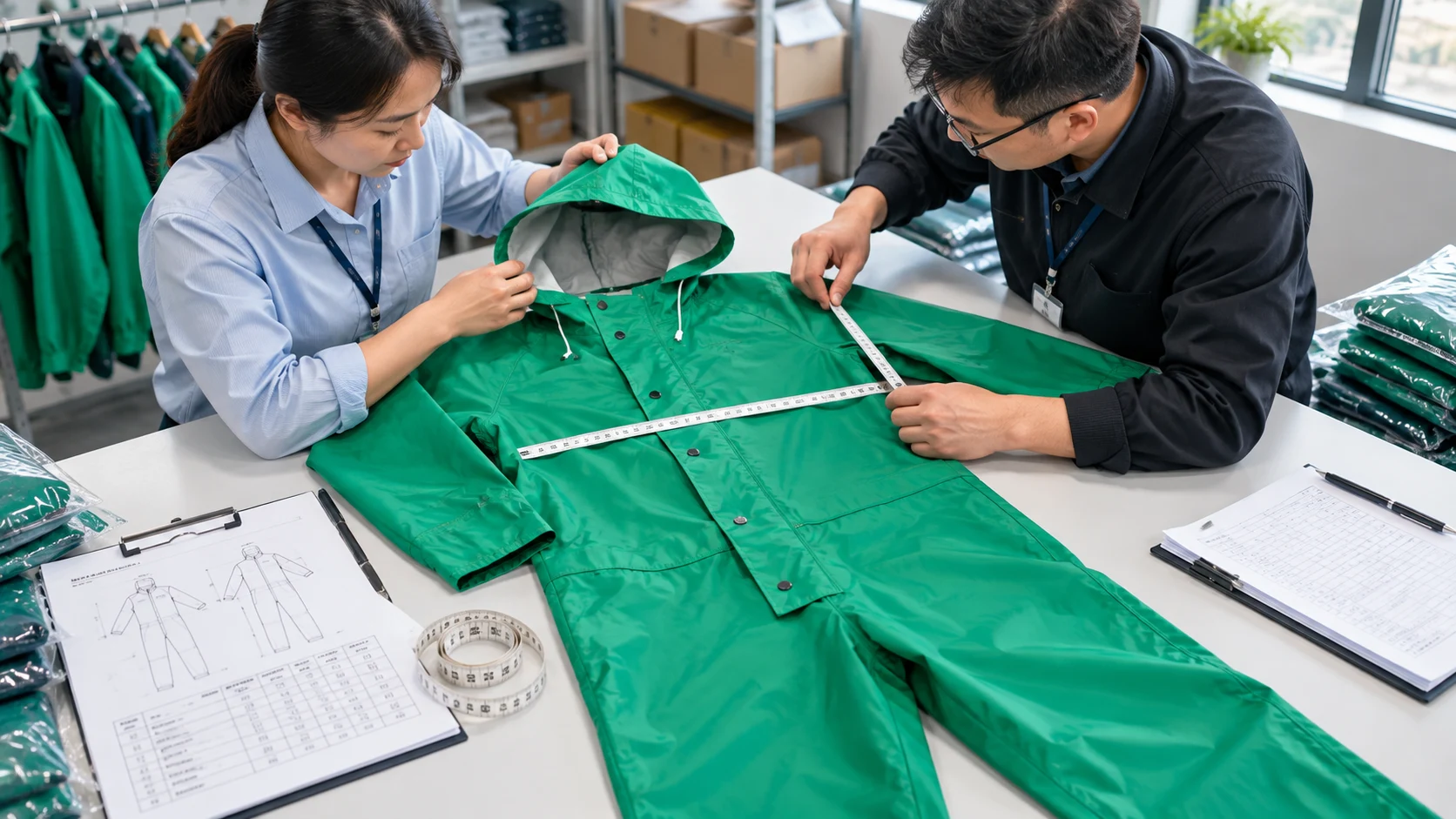
Personal Protective Equipment (PPE) rainwear holds a key part in keeping workers safe in building, power, making, emergency help, moving, and other open air work spots. Long time in rain brings many dangers. These include less clear sight that leads to hit-by events. They also cover slips and drops on wet floors, cold sickness from wet-cold spots, heat build during body work, and touches with heat, power, or chem risks. Good PPE rainwear must give steady water block, right air flow, flame hold (FR) where needed, and bright sight parts. At the same time, it keeps strength and ease for long work times.
Even with better stuff and rule changes, wrong ideas about PPE rainwear work last. These wrong ideas shape pick choices. They may also put worker safe at risk.
Myth 1: All Raincoats Qualify as PPE
Not every raincoat fits the hard needs of work PPE rainwear. Shop or plain promo types often use basic polyethylene (PE) or ethylene-vinyl acetate (EVA) layers for quick water drop. But checked PPE rainwear uses many-layer builds. It has strong and taped joins, rub-safe outer cloths, and risk-set guards to hold daily work use.
PPE-level rainwear goes through tests for fit with rules like EN 343 for guard cloths against rain. It joins bright sight needs under ANSI/ISEA 107 or EN ISO 20471. Plus, it has FR tests per NFPA 70E or ASTM F1891 where arc flash or flash fire risks stay. Use of non-PPE rainwear in ruled work places can lead to no-fit, weak guard, and more fault.
Myth 2: Waterproof PPE Rainwear Cannot Be Comfortable for All-Day Use
Old PPE rainwear often felt thick and tight from heavy layers. New work styles use bendy films, joint cut shapes, set parts (cuffs, hoods, storm covers), and side air holes to help free moves in climb, tool hold, gear run, or long stand.
Ease in PPE rainwear comes from body-fit build and even cloth pick. It does not mean less guard. Lighter builds and spot styles cut tired. Thus, they help keep watch and lower mistake rates in wet-time work.
Myth 3: Breathability in PPE Rainwear Is Merely a Marketing Claim
Air flow stands as a set fact. Experts define it by water steam pass rate (MVTR). This lets sweat steam out while stopping liquid water in. Non-air flow PPE cloths trap wet. As a result, they cause inside fog, high wet, skin rub, and bigger heat build or after-work cold sickness risks.
New water-air tech in PPE rainwear use small-hole films or wet-pull layers. These help steam move from body to air gaps. Work changes with task load, wet air, and layer use. Thus, parts like side opens or net adds prove good for high-work tasks. Air flow helps body heat control and long work in wet spots.
Myth 4: PPE Rain Jackets Lose Waterproofing Quickly in Industrial Environments
Work drop happens faster in low-good cloths that count on top treats. Good PPE rainwear with stuck films and full shut (taped or joined) joins keep whole longer under rub, bend, and many wet times. Main pulls come from tool touch, wash, sun rays, and chem drops.
Strong join shut stops leak at sew points. Lasting front cloths fight holes. Regular check and right care, with DWR re-do where fit, stretch use time. Film-based setups show better long last in hard PPE jobs.
Myth 5: Truly Waterproof PPE Rainwear Is Always Heavy and Bulky
Plastic new ways make thin, good-work layers that hit water press heads far over 10,000 mm. Yet, they stay light and soft. These stuffs give work-level water block without weight hits of old layer cloths.
PPE styles add more use through smart shape, pack ease, and fit with base and mid layers for change heat handle over vary weather and move levels.
Myth 6: FR PPE Rainwear Is Too Heavy or Stiff for Daily Industrial Wear
Old FR rainwear at times added much size to get flame hold. Now multi-risk PPE rainwear joins FR treats or built FR threads into lighter bases. It gives checked arc levels or flash fire guard with better move for tight spots or tool-heavy jobs.
Wash and wear-test shows keep of guard traits when follow care rules. Thus, FR PPE rainwear fits for normal use in power or heat-work spots.
Myth 7: Disposable Plastic Raincoats Can Be Used as PPE
Throw-away plastic raincoats do not fit PPE needs for work jobs. Their thin sheets tear easy under move or edge touch. They give no steady long block. Full no-air flow raises heat build risks in work and quick cold after. This may lead to cold sickness. These stuffs also melt or drop in flame or heat touch. They hold no checks for arc flash, chem hold, or bright sight work.
Safe rules and risk checks leave throw-aways out of good PPE lists. This comes from lacks in strength, heat handle, and risk guard.
Myth 8: Thicker PPE Rainwear Materials Always Provide Better Waterproofing
More thick does not make sure better work. It can bring safe downs. Too thick, no-air cloths block steam pass. This causes sweat build inside the cloth. When move slows or wind grows, wet inside layers speed heat loss. Wet cloths pull heat from body much faster than dry ones. Thus, they raise cold sickness risk in cool, wet, or windy work spots.
In good PPE rainwear, air flow ranks as a main work need next to water block. Spot builds and new films hit strong liquid walls while let wet out. They back heat even during change body needs.
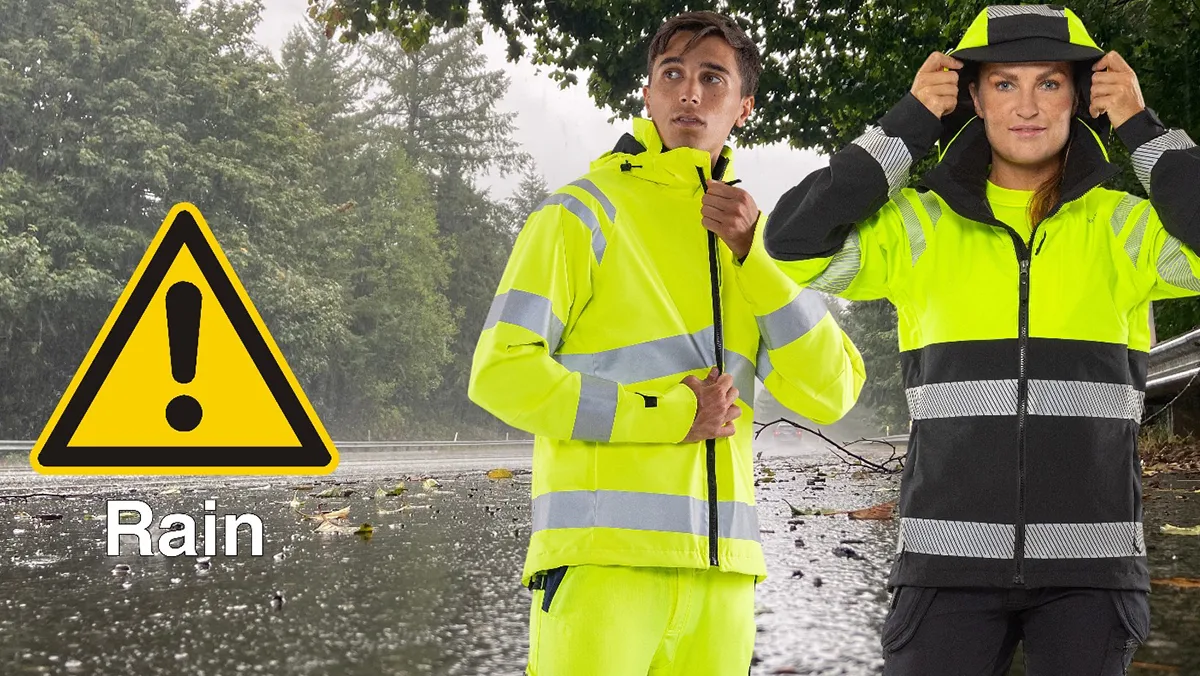
Myth 9: Any Yellow Raincoat Serves as Compliant High-Visibility PPE
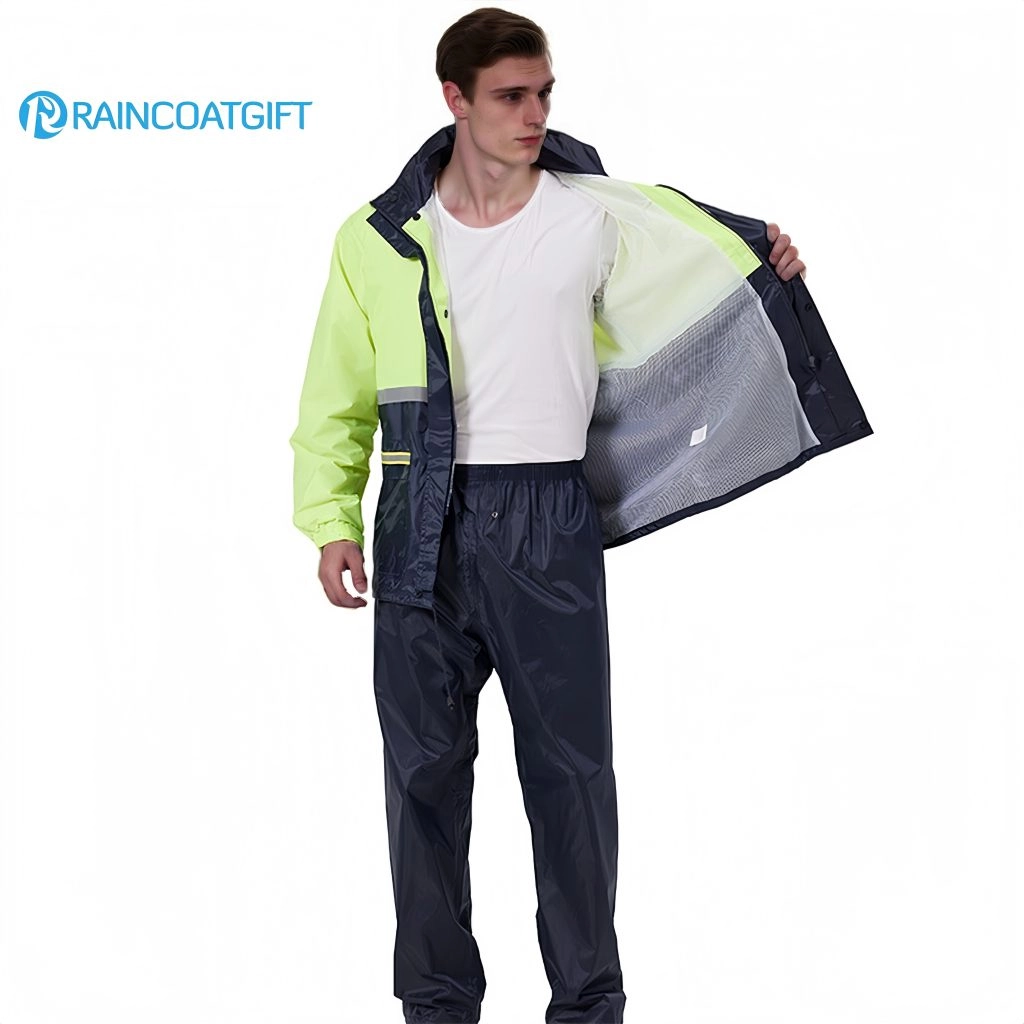
Color alone does not give bright sight rank. Only cloths that meet strict needs qualify. These include enough space and spot of checked back-shine tape, plus back cloths with okay glow and color match. They fit under rules like EN ISO 20471 or ANSI/ISEA 107. Normal yellow or ground-color raincoats without these may look clear in day light. But they give poor see at night, in mist, or low light times common in road, build, or power work.
Good hi-vis PPE rainwear joins water-air work with light rules. It keeps workers clear while safe from rain and other risks.
Key Waterproofing Technologies in PPE Rainwear
PPE water block levels check fight to water in under push. Full water block setups count on steady films or layers with shut joins. Stuffs like PVC/polyester joins or TPU give bend, strength, and pull while block liquid. Storm covers, set shuts, and strong high-rub spots finish the guard setup for work use.
Balancing Breathability to Prevent Heat Stress and Hypothermia in PPE
Air flow PPE rainwear cuts heat build by let steam cool in work. In cold-wet cases, it stops wet build that hurts warm keep. Best styles use spot cloths. These stay full water block in open parts and more pass in other spots. They join with right layers to fit change spots.
Durability, Inspection, and Maintenance of PPE Rainwear
PPE rainwear long last counts on stick to care steps: soft soap wash without soft adds, air dry, and skip high heat that hurts films. Set checks must look at join whole, zip work, cloth rub, shine stuff state, and full work. Items with damage or loss of guard traits need quick out.
Multi-Hazard Considerations and Standards for PPE Rainwear
Good pick joins weather guard with other risks. These cover heat (FR), sight, chem drop, or arc flash. Fit with mix rules (e.g., EN 343 + EN ISO 20471) makes sure full cover. Train on right put on, take off, layer, and gear limits stays key.
FAQ
How important is breathability in PPE rainwear?
Breathability is critical for thermoregulation. It reduces internal moisture buildup, lowering risks of heat stress and hypothermia while supporting comfort and productivity during extended wet-weather work.
Can disposable raincoats be considered PPE?
No. They lack durability, breathability, and hazard certifications, making them unsuitable for industrial PPE applications due to tear risk, thermal discomfort, and melt potential.
Do thicker rainwear materials offer better protection?
Not necessarily. Excessive thickness without breathability can trap sweat and increase hypothermia risk when activity stops. Balanced waterproof-breathable designs perform better in real-world PPE scenarios.
What standards govern high-visibility PPE rainwear?
ANSI/ISEA 107 (U.S.) and EN ISO 20471 (international) specify minimum reflective coverage, background fluorescence, placement, and performance after laundering and environmental exposure.
How should PPE rainwear be maintained?
Follow care labels with mild detergents, air dry, inspect regularly for damage, and re-treat DWR finishes if applicable. Replace gear showing seam failure or performance loss.
Partner with a Trusted PPE Rainwear Manufacturer and Supplier
Procurement teams and distributors seeking reliable volumes of customizable PPE rainwear—including industrial-grade waterproof and breathable workwear with reflective elements—benefit from working with experienced manufacturers and suppliers. RAINCOATGIFT operates as a specialized raincoat manufacturer and supplier in Yiwu, China, with over 20 years of expertise and a 15,000 square meter production facility supporting daily outputs of up to 2,000 raincoats. The company produces a range of materials including PE, EVA, PVC, and polyester combinations, offering OEM and ODM services for lightweight waterproof ponchos as well as durable, breathable PVC polyester rainwear designed for outdoor safety and labor protection applications, some featuring reflective strips.
Contact the team to discuss bulk production, custom specifications, or tailored solutions for industrial rain gear needs.