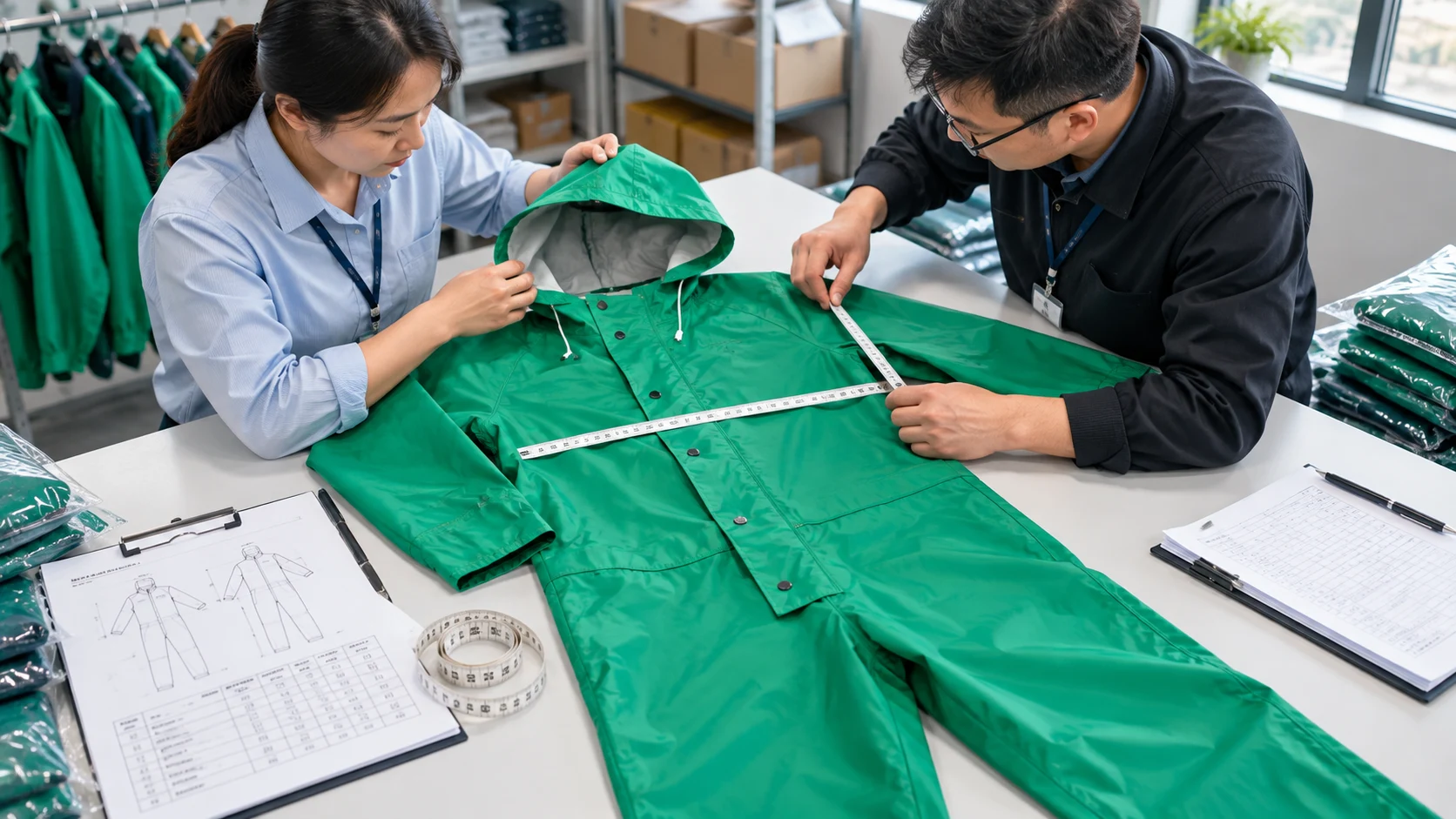
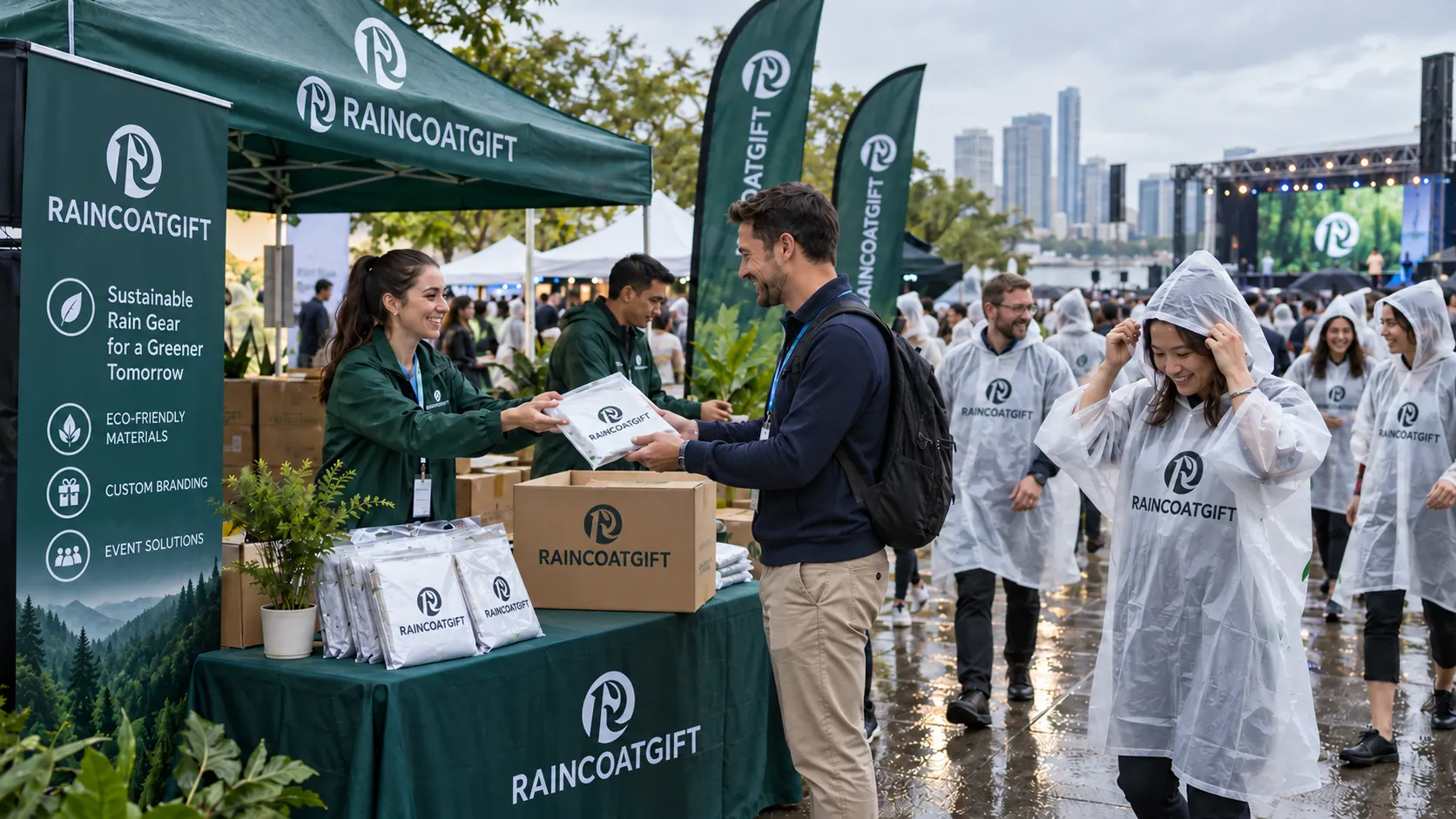
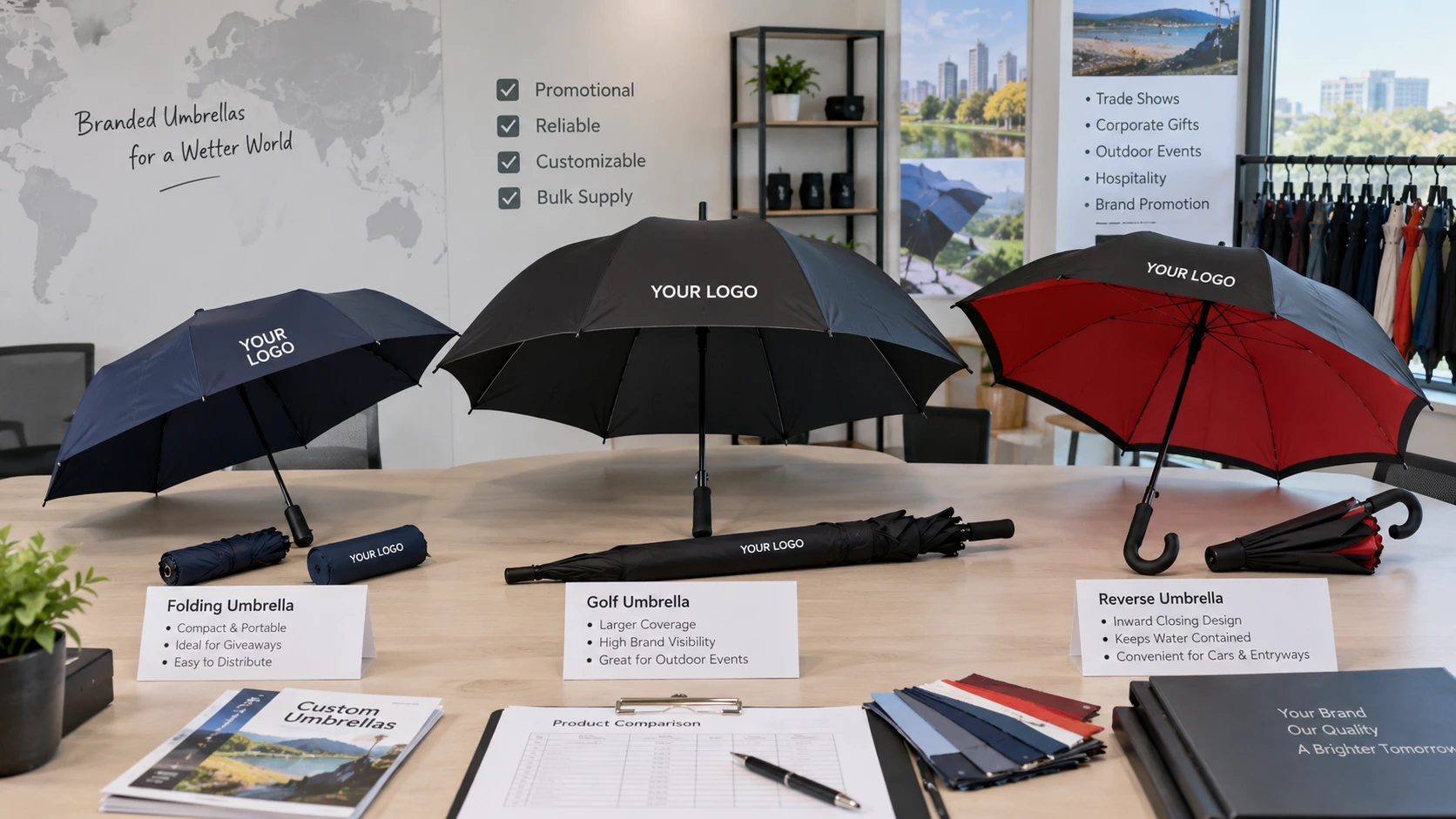
Rain jacket materials have changed a lot since the early 19th-century ideas from Charles Macintosh. He started using rubber-layered fabrics to make the first useful waterproof clothes. Now, new developments offer many synthetic and mixed materials. These fit certain needs. For companies getting rainwear, like for work clothes, promo goods, safety tools, or outdoor retail items, picking the right material affects how well the product works, cost savings, and user happiness.
Why Material Choice Matters for Rain Jackets
Picking materials builds the base of good rainwear. Main factors cover:
- Waterproofing — Key to stop outside water in different strengths, from small rains to long heavy downpours.
- Breathability — Vital for tasks with movement, as it lets inside water vapor out and stops sweat build-up.
- Durability — Sets how well it fights wear, rips, holes, and ongoing sun, chemical, or force damage.
- Weight — Affects ease to carry and comfort; light picks fit trips or big packs, while heavy ones give strength in tough spots.
- Cost and Scalability — Changes make profits, smallest order sizes, and fit for large making.
- Environmental and Regulatory Compliance — More attention on green choices, safe-low materials, and approvals for world sales.
These parts need to match planned uses, like build site safety, promo gifts, or retail outdoor clothes.
Types of Rain Jacket Materials and Their Features
A few main materials meet wholesale and manufacturing demands. Each has clear strengths.
PVC (Polyvinyl Chloride)
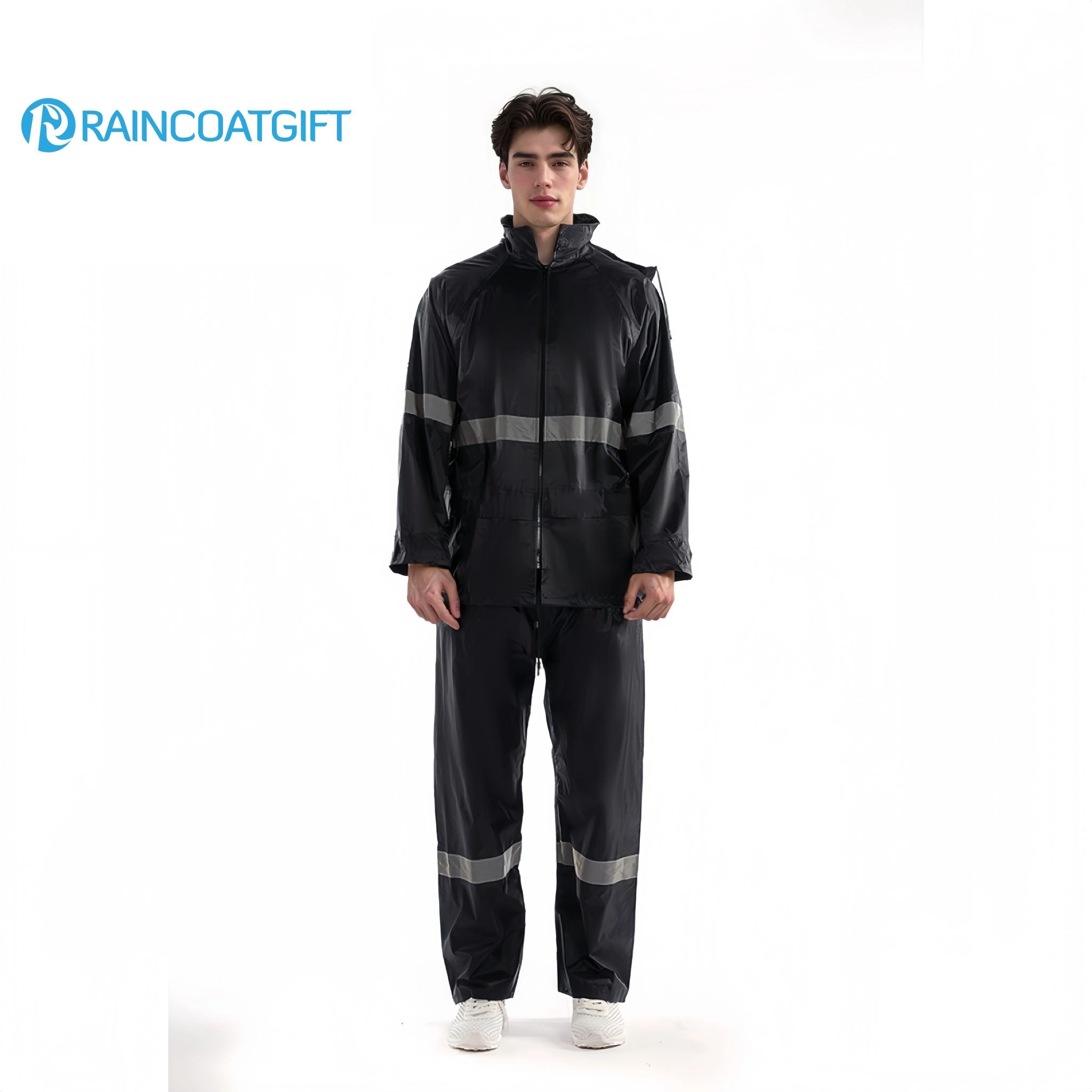
PVC stays common for tough rainwear. It blocks water fully and fights oils, chemicals, and scrapes. Often picked for work suits, bright safety clothes, and cover ponchos, PVC Rain Jacket gives sure waterproofing (usually 5,000–10,000mm hydrostatic head) at good prices. But it has poor breathability. This can cause inside sweat in long use. Strength works well in rough settings. Yet bend drops in cold. PVC fits big orders for job safety or sea uses.
Polyurethane (PU) Coated Fabrics
PU layers add a slim waterproof cover to base cloths like polyester or nylon. This mixes low cost with firm water block (often 3,000–8,000mm). PU raincoat gives more breath than PVC in small-hole types. It also backs light builds. Seen in average work clothes and promo raincoats, PU layers allow changes like color fits or logo adds. Weak points cover slow layer wear over time. But new types add DWR for better last.
Polyester
Polyester leads cheap, fast-dry rainwear. When given DWR covers or joined, it shows solid water push and no-wrinkle traits. Polyester’s range backs mixes and layers. This makes it great for big making. It dries quick and fights color loss. It fits promo or daily retail lines. Breathability grows with open threads. But plain polyester needs extra steps for full waterproofing.
Nylon
Nylon brings top strength-to-weight links. Ripstop kinds raise rip fight. Often mixed with PU or other layers, nylon shines in light, foldable plans fit for trips or outdoor promos. Its lasting beats many polyesters in scrape spots. DWR steps lift push-back. Nylon fits tasks needing move without big size.
Polyethylene (PE) and EVA
PE gives cheap, light one-time or half-reuse choices. It often goes in quick ponchos or promo items. EVA adds more bend and green traits in some types. Both stress carry ease and low price for big orders. Yet they miss breath or long life of layered synthetics.
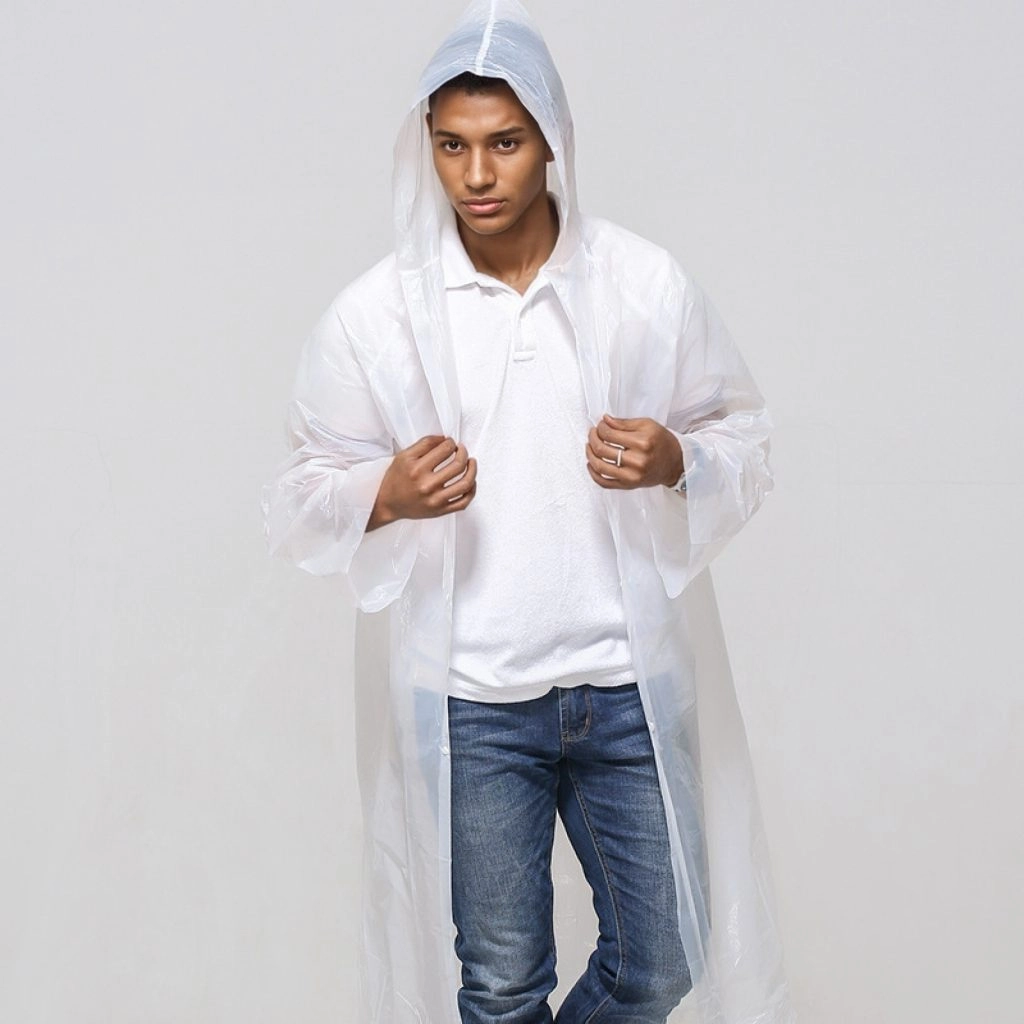
Advanced Membranes (e.g., Gore-Tex, eVent)
Top membranes give great waterproofing (20,000mm+) with high breath. They use small-hole builds. These multi-layer setups shine in strong outdoor tools. But they cost more and fit small markets.
Softshell Fabrics
Softshells stress move and breath with water-push (not full block) traits. Great for active work clothes or mixed use, they add stretch and warm backs for ease in changing weather.
Additional Considerations in Material Selection
Breathability Ratings and Testing
Breathability (set in g/m²/24h) matters for move or long-use rainwear. Materials with small-hole membranes beat full layers in vapor pass.
Waterproof Ratings
Water head numbers guide fit: 5,000mm deals with fair rain, while 10,000mm+ holds big storms. Full joined edges raise whole strength.
Durability Enhancements
Ripstop threads, strong joins, and scrape-proof layers grow use time in work places.
Weight and Packability
For ship and store, super-light nylon or PE picks cut send costs and draw trip lines.
Eco-Friendly and Regulatory Aspects
Moves to reuse PE/EVA or low-harm layers meet green needs in send markets.
Hybrid and Blended Fabrics
Mixing nylon/polyester bases with PU layers or membranes betters work over many points.
Expert Tips for Choosing the Right Rain Jacket Material for Business Needs
- Check task and weather needs: High-move or active cases pick breath membranes or softshells; still heavy-show uses fit PVC or thick PU.
- Put first even work: Switches between waterproof and breath need close picks.
- Set lasting for planned life: Scrape-risk tasks gain from nylon or strong polyester.
- Check make scale: Low-MOQ changes favor bend materials like PE or EVA.
- Add extra worth traits: Joined edges, sealed pulls, bright parts, or custom marks raise sale draw.
- Do sample checks: Confirm work in real spots before big making.
Conclusion: Making an Informed Choice for Your Next Rain Jacket
Picking the best rain jacket material needs matching tech details with use needs, making limits, and sale spots. Steps in layers, membranes, and green materials keep growing choices for sure, good rainwear.
RAINCOATGIFT
RAINCOATGIFT, as a leading manufacturer and supplier in China with over 20 years of experience, specializes in OEM/ODM production of raincoats (including PE, EVA, PVC, PVC-polyester, and custom variants), umbrellas, and related outdoor products. Operating a 15,000 sqm factory in Yiwu with daily capacities of up to 2,000 raincoats, the company supports bulk orders, low MOQ customization, logo printing, and global exports to markets like the US, Europe, and Asia. Businesses seeking reliable factory-direct solutions for waterproof rainwear can explore the full range at https://www.raincoat-gift.com/ or contact via info@raincoatgift.com for inquiries on volume discounts and long-term partnerships.
FAQ
What is the most durable rain jacket material for industrial applications?
PVC and nylon with reinforced coatings offer excellent abrasion and chemical resistance, making them suitable for heavy-duty workwear.
How does PU coating compare to PVC in terms of breathability?
PU coatings, especially microporous variants, provide better vapor transmission than solid PVC, reducing internal moisture buildup.
Which material is best for lightweight, packable rainwear in bulk orders?
PE, EVA, or lightweight nylon/polyester options excel in portability and cost-efficiency for promotional or travel lines.
What waterproof rating should manufacturers target for heavy rain performance?
Aim for at least 5,000–10,000mm hydrostatic head, with taped seams, for reliable protection in prolonged exposure.
Are eco-friendly materials available for wholesale raincoats?
Yes, recyclable PE/EVA variants and low-impact coatings meet growing sustainability requirements without sacrificing functionality.
Partner with a Trusted Rainwear Manufacturer and Supplier
Distributors, or brands requiring high-quality, customizable raincoats at factory-direct pricing, RAINCOATGIFT delivers OEM/ODM expertise, competitive lead times, and reliable global supply. Contact the team today to discuss volume discounts, custom specifications, or sample requests—build a long-term partnership for your rainwear needs. Visit https://www.raincoat-gift.com/contact-us/ or reach out via WhatsApp at +86 159 2424 0714 to start the conversation.