PVC rain suits give excellent waterproof protection in tough, wet conditions. Polyvinyl chloride (PVC) creates a solid barrier. It keeps out heavy rain very well. This makes the suits necessary gear for workers and people who spend time outdoors. Unpredictable weather happens more often now. So, good full-body cover from rain, wind, and splashes stays very important. PVC suits mix low cost, strong build, and real usefulness. They become a popular pick in many fields and activities.
What Is a PVC Rain Suit?
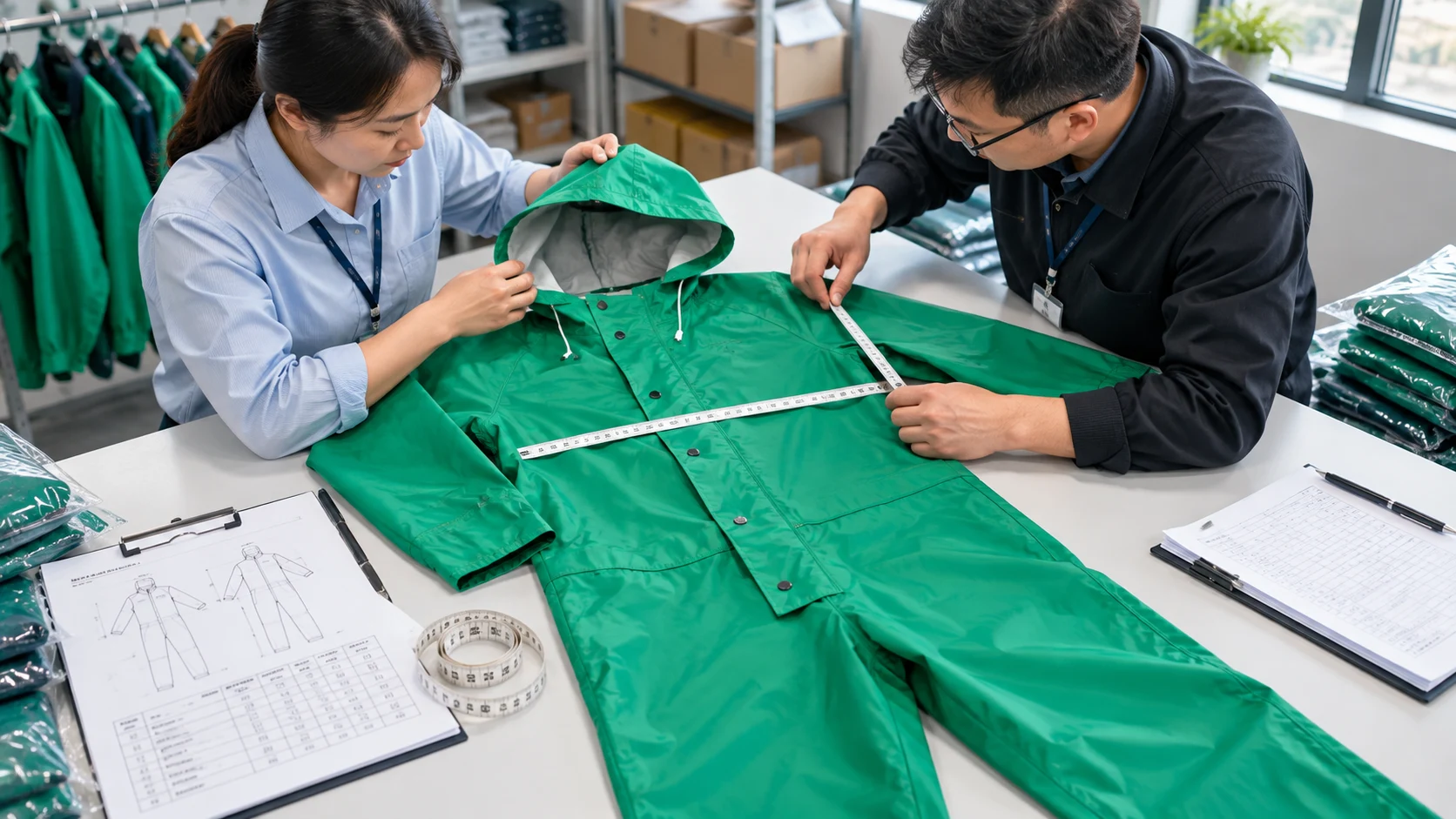
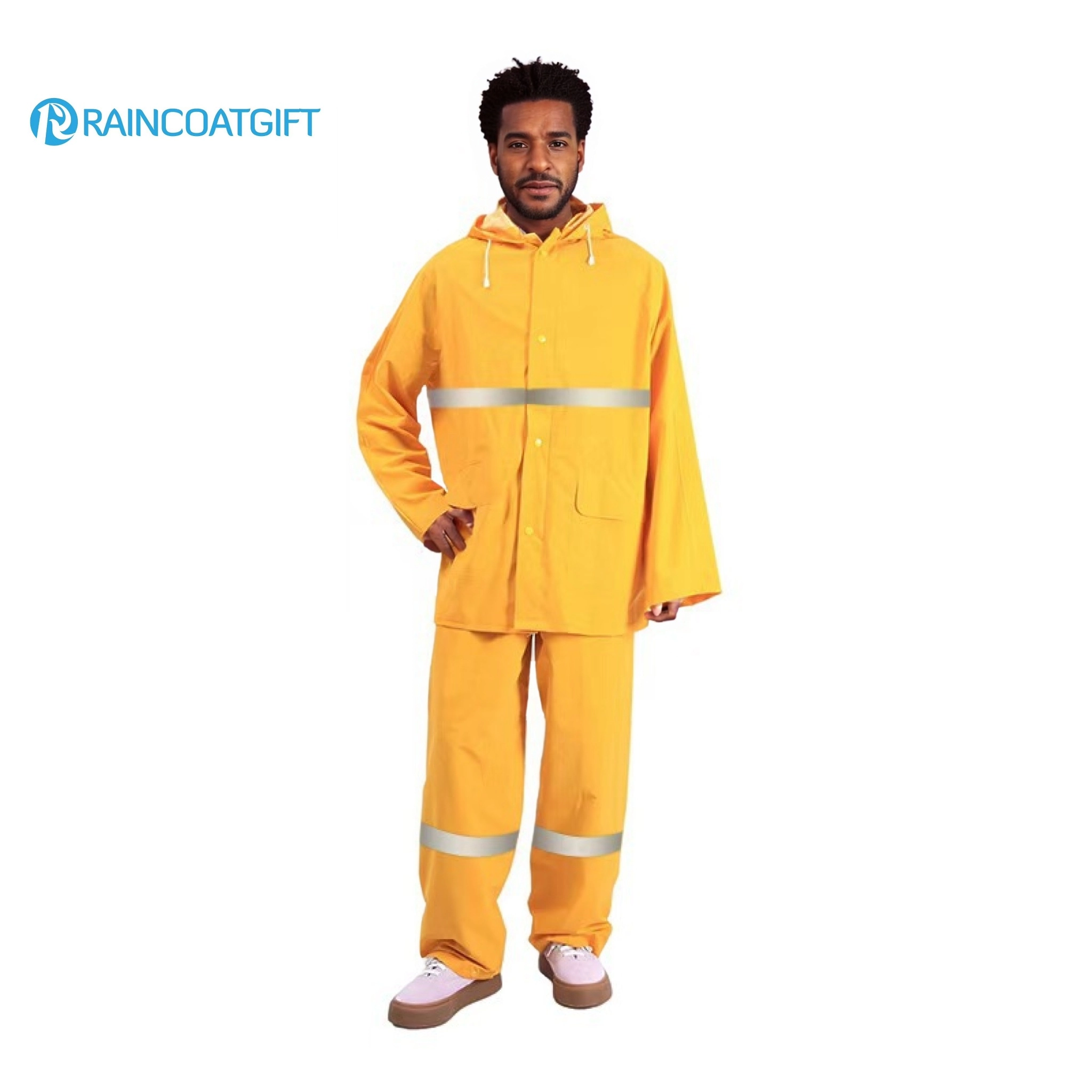
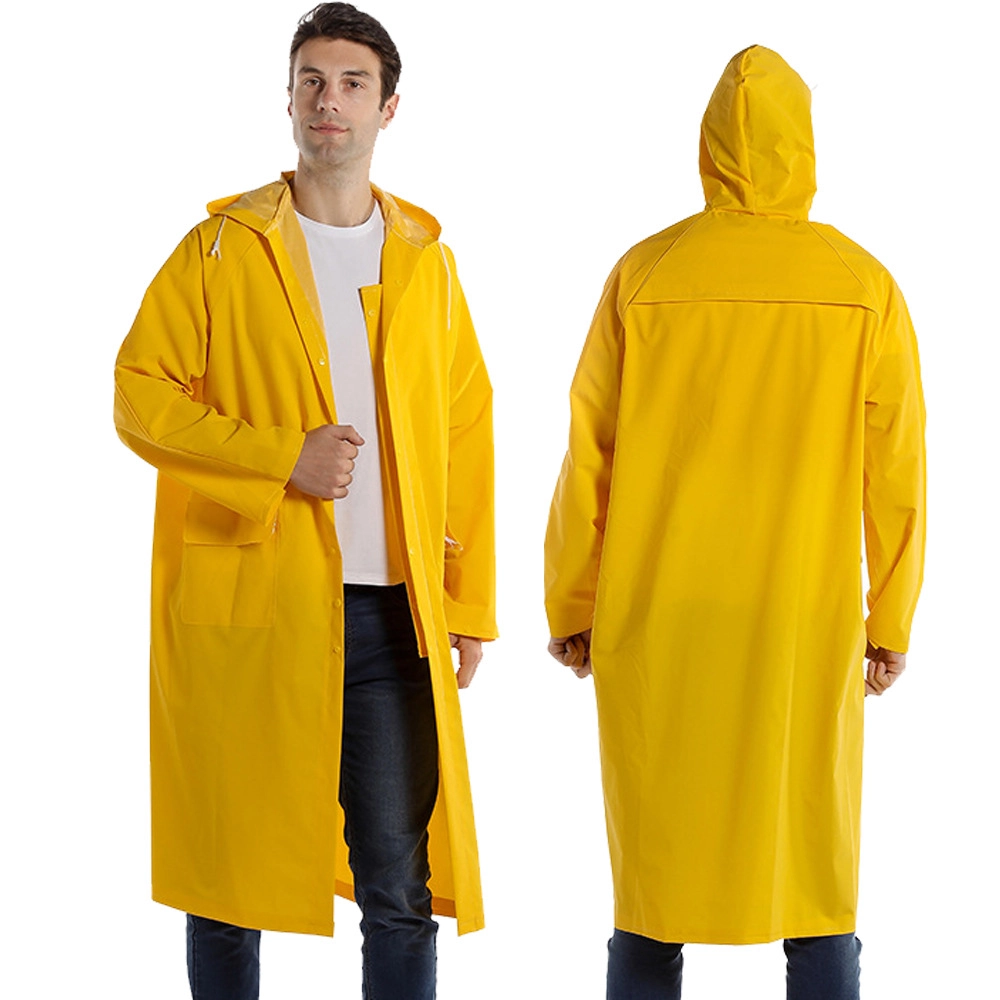
A PVC rain suit usually has a hooded jacket and matching pants or bib overalls. It uses polyvinyl chloride—a tough man-made material. Thickness often falls between 0.28mm and 0.5mm. Some use pure PVC. Others have PVC-coated polyester mixes for better tear strength. Heat-welded seams and taped supports stop water from getting in at weak spots.
These suits started in industrial PPE. Now they come with updated ergonomic shapes. Those shapes help with layering and long wear. They offer full coverage. The suits protect not just from rain. They also block mud, bits of trash, and small chemical splashes in the right versions.
Features to Look For in a PVC Rain Suit
Material and Durability
Good PVC stands up to scraping, holes, and lots of folding. Stronger spots at knees, elbows, and seams make the suit last longer in rough jobs like field work or running machines.
Waterproofing and Sealing
Sealed seams, double-stitched build, storm flaps over zippers, and adjustable Velcro or snap cuffs keep water out. Boot gussets and longer lengths stop gaps when moving or kneeling.
Comfort and Fit
Bent joints, stretchy waists, and suspenders on bib pants give easy movement. Ventilated underarms or mesh parts in mixed models cut down on trapped heat inside.
Design and Style
Reflective piping follows high-visibility rules for safety in dim light. Detachable hoods, several pockets (some cargo style), and colors from bright hi-vis yellow to quiet navy fit different needs.
Pros and Cons of PVC Rain Suits
Advantages of PVC Rain Suits
- Top waterproofing keeps you dry in very heavy rain.
- Great strength deals with hard use in industry and outdoors.
- Cheap option compared to fancy breathable materials.
- Chemical splash protection helps users in manufacturing and farming.
- Light and easy to pack for simple storage and carrying.
- Works well in many situations—work, fun, and emergencies.
Disadvantages of PVC Rain Suits
- Very little breathability causes sweat buildup during hard work or hot weather.
- It gets stiff in cold temps. That cuts down bendability.
- Non-biodegradable material creates worries about throwing it away.
- Long UV exposure can lead to cracks if not cared for right.

Best Uses for PVC Rain Suits
Outdoor Activities
Anglers, boaters, hunters, and campers count on PVC suits for steady rain cover. Bib pants work great for wading or touching the ground. Full cover protects against wind-blown rain on paths.
Work Environments
Construction crews, agricultural workers, landscapers, and road teams wear PVC suits to fight rain plus dirt and risks. Hi-vis versions follow job safety rules in busy traffic or low-light areas.
Everyday Use
Cyclists, motorcyclists, and city commuters like the fast on-and-off ease and low price for quick showers on trips or daily tasks.
Advancements in PVC Rainwear Technology
New steps in the field reduce old PVC problems. PVC-polyester laminates bring tiny pores for better airflow. They still keep full waterproofing. Phthalate-free and low-VOC versions answer rules in Europe and North America. They improve safety.
Hybrid PVC-PU mixes add bend and cut total weight. Better reflective methods raise visibility standards. New smart features, like sensors for temp control, suggest future changes. But today the main push stays on green, strong materials.
Comparing PVC Rain Suits to Alternatives
PVC focuses on complete waterproofing and good price. It differs from others in main ways.
PU-Coated Fabrics
Polyurethane coatings give solid waterproofing with more bend and some breathability. PU suits feel lighter and softer. They suit medium effort. But they resist scraping less than thick PVC in hard situations.
Nylon or Polyester with DWR Coatings
These light fabrics pack small and dry fast. Durable water repellent (DWR) finishes push back light rain well. Still, they soak through in heavy, long rain unlike PVC’s firm block.
Breathable Membranes (e.g., Gore-Tex)
Top membranes shine in airflow (often over 20,000 g/m²/day). They work best for active use where sweat control counts. Prices run high. They might let in small moisture under steady pressure. PVC gives total block instead.
PVC suits stay best for tough, low-budget jobs that need full dryness more than air flow.
Safety Standards and Compliance for PVC Rain Suits
Many PVC rain suits follow work rules like ANSI/ISEA 107 for high-visibility or EN 343 for weather in Europe. Reflective strips and bright colors boost worker safety in traffic or dark spots. Chemical resistance marks (when listed) match PPE rules for splash risks. People in controlled fields should check certifications. This makes sure they meet job needs.
Environmental Considerations in PVC Rainwear
PVC making and throwing away bring issues from chlorine and no breakdown. New changes add recycled PVC mixes and phthalate-free choices. Those cut down harm to nature. Manufacturers now use greener ways, like lower emissions in coating. For buyers who care about the planet, hybrid or PU options sometimes give similar results with easier recycling. But PVC keeps edges in basic waterproof power and long life.
Frequently Asked Questions (FAQ)
What makes PVC rain suits better than other waterproof gear?
PVC gives total impermeability, strong durability, and low cost. It beats others in heavy rain and tough places.
Are PVC rain suits breathable?
Regular PVC allows little air through. But new laminates and vents bring clear gains for more comfort.
How do I choose the right size for a PVC rain suit?
Check brand charts for chest, waist, and inseam sizes. Leave room for layers.
Can PVC rain suits be used in chemical environments?
Pick models with checked splash resistance. Look at exact ratings for dangerous stuff.
How long do PVC rain suits typically last?
Plan on 3–7 years with regular use and care. Time changes with how much exposure.
Are there eco-friendlier PVC rain suit options?
Phthalate-free, recycled, or low-impact versions cut damage. They keep the main functions.
Partner with a Trusted Rainwear Manufacturer and Supplier
Businesses seeking bulk customizable PVC rain suits or polyester-PVC rainwear solutions partner with RAINCOATGIFT, a leading manufacturer, supplier, and factory in Yiwu, China. With over 20 years of expertise, RAINCOATGIFT provides OEM/ODM services featuring breathable, waterproof, durable designs—including Europe-style options with reflective details. Low MOQ from 500 pieces, stringent quality controls, and exports to the US, Europe, and global markets meet diverse B2B demands. Contact via email at info@raincoat-gift.com, phone +86 159 2424 0714, or WhatsApp to explore volume pricing, tailored specifications, branding, and dependable factory-direct supply arrangements.