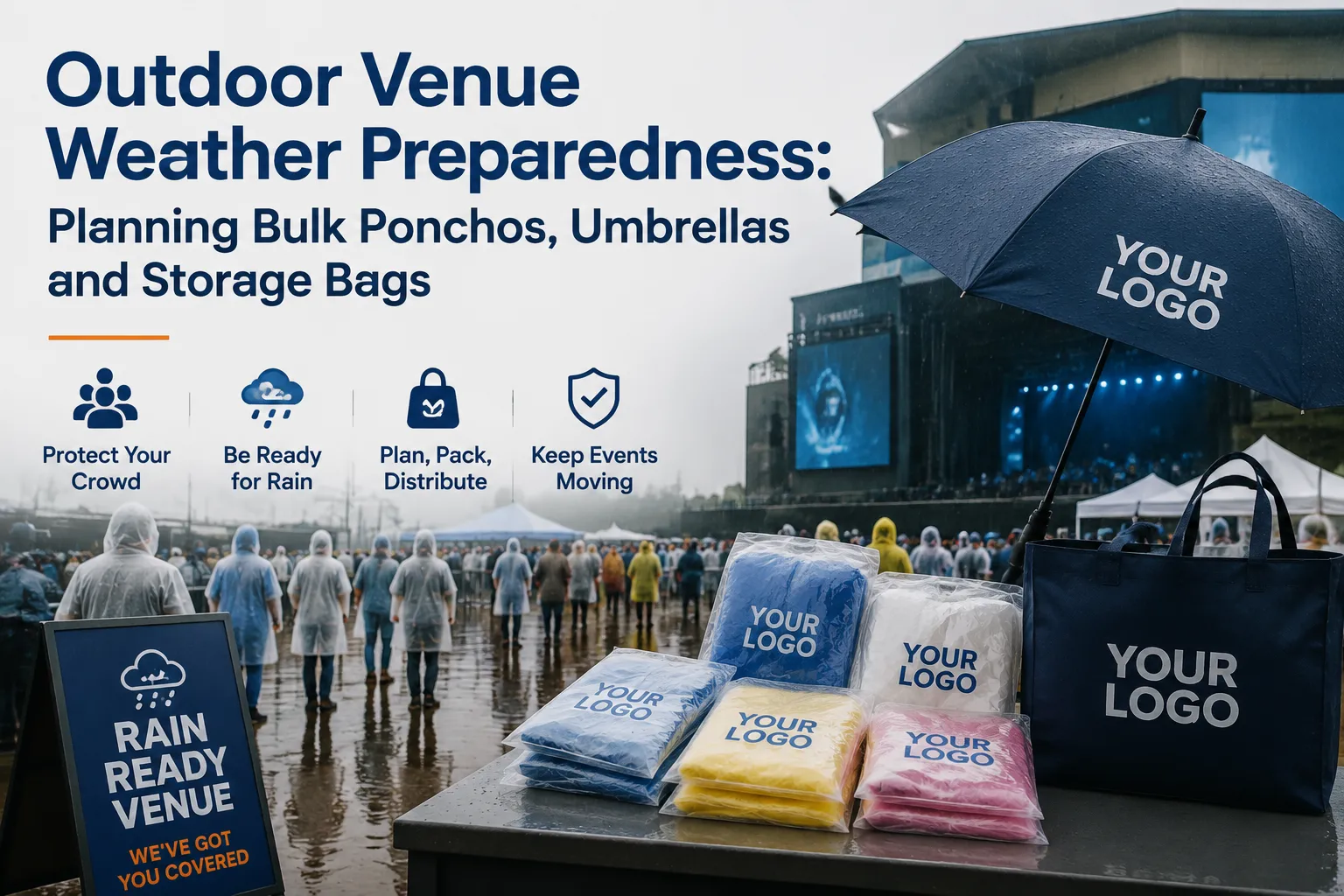
Weather can disrupt an outdoor venue quickly. Rain affects entry lines, seating areas, staff movement, sponsor activities, and the way visitors carry personal items. An outdoor venue weather preparedness plan should therefore include practical supplies that can be stored before the event and distributed when conditions change.
For many venues, a useful emergency weather kit combines bulk rain ponchos, umbrellas, and storage bags. The right mix depends on crowd density, venue rules, weather exposure, storage space, and the role of each recipient. This guide explains how to plan quantities, compare products, reduce distribution risks, and prepare a clear RFQ for a supplier.
Why Outdoor Venues Need a Weather Preparedness Kit
A weather kit is not a replacement for a full safety or emergency response program. It is a purchasing and operations plan for rain-related needs during an outdoor event.
How Rain Disrupts Venue Operations
Rain can slow entry, create congestion at gates, make seating uncomfortable, and increase the workload for staff and volunteers. It can also reduce the visibility of sponsor materials when attendees focus on finding shelter or protecting their belongings.
The need is usually greatest at music festivals, sporting events, outdoor exhibitions, brand activations, and temporary venues where visitors may have limited access to shelter. A venue should review the expected audience, operating hours, entry points, staff positions, and weather exposure before deciding what to purchase.
A rain kit is especially useful when retail purchasing during the event would be too slow, inconsistent, or expensive. Pre-packed products allow venue teams to assign stock to specific zones and activate a distribution plan when rain begins.
What This Kit Should and Should Not Cover
Bulk ponchos, umbrellas, and storage bags address rain protection, handling, and distribution. They do not replace first-aid supplies, evacuation procedures, severe-weather monitoring, or venue safety controls.
This distinction helps prevent an overly broad procurement project. If the requirement includes medical equipment, emergency power, flood response, or structural protection, those items should be handled through the appropriate specialist teams. The rain gear purchase should remain focused on practical visitor and staff support.
What to Include in an Outdoor Event Rain Gear Kit
Each product solves a different operational problem. The most suitable kit may contain one product for the general audience and different products for staff, partners, or VIP guests.
Bulk Rain Ponchos for Fast Distribution
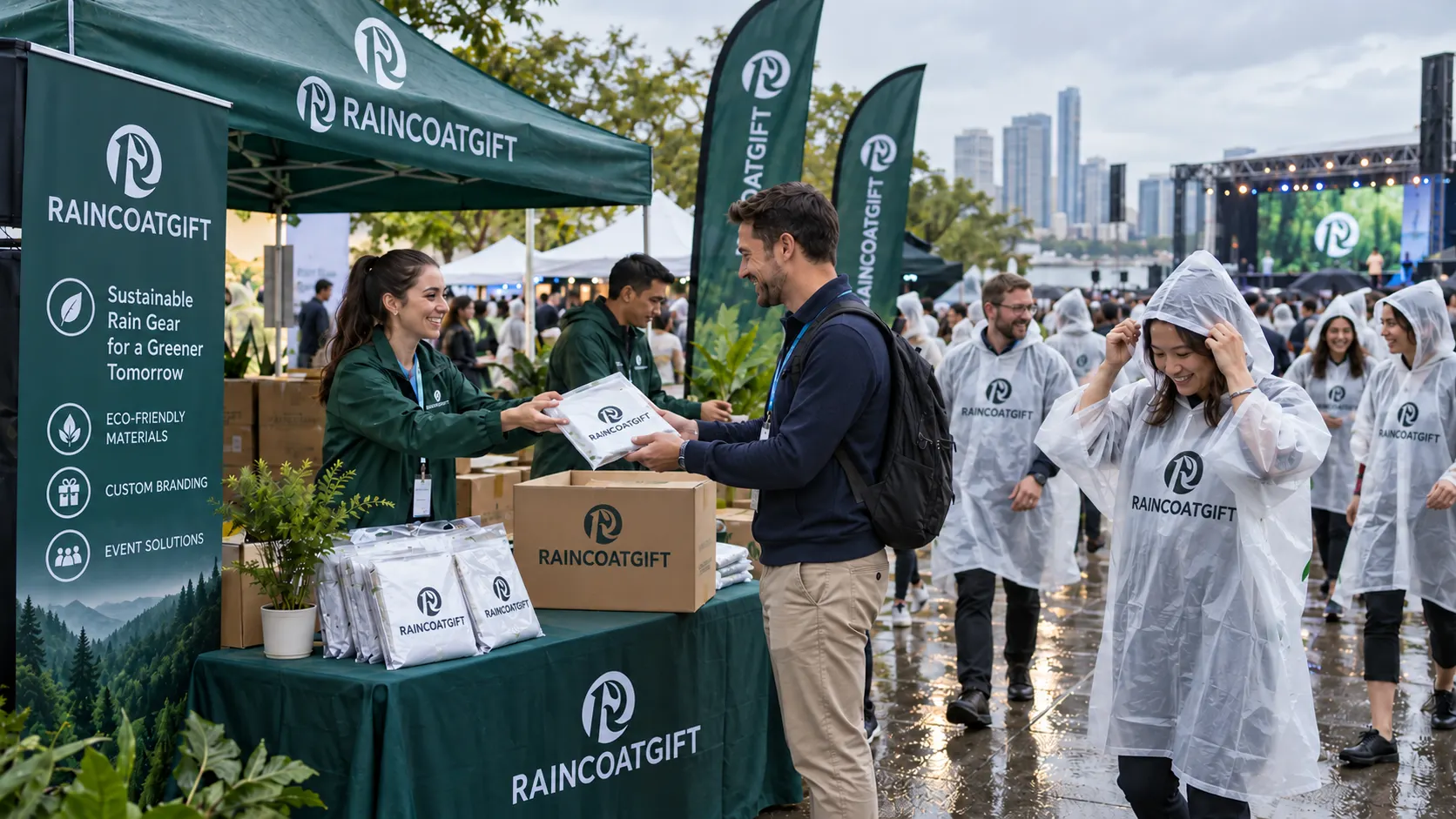
Bulk rain ponchos are often considered for large crowds because they can be allocated by entrance, seating area, or staff station. A poncho-first approach may be suitable when the priority is quick distribution and compact storage.
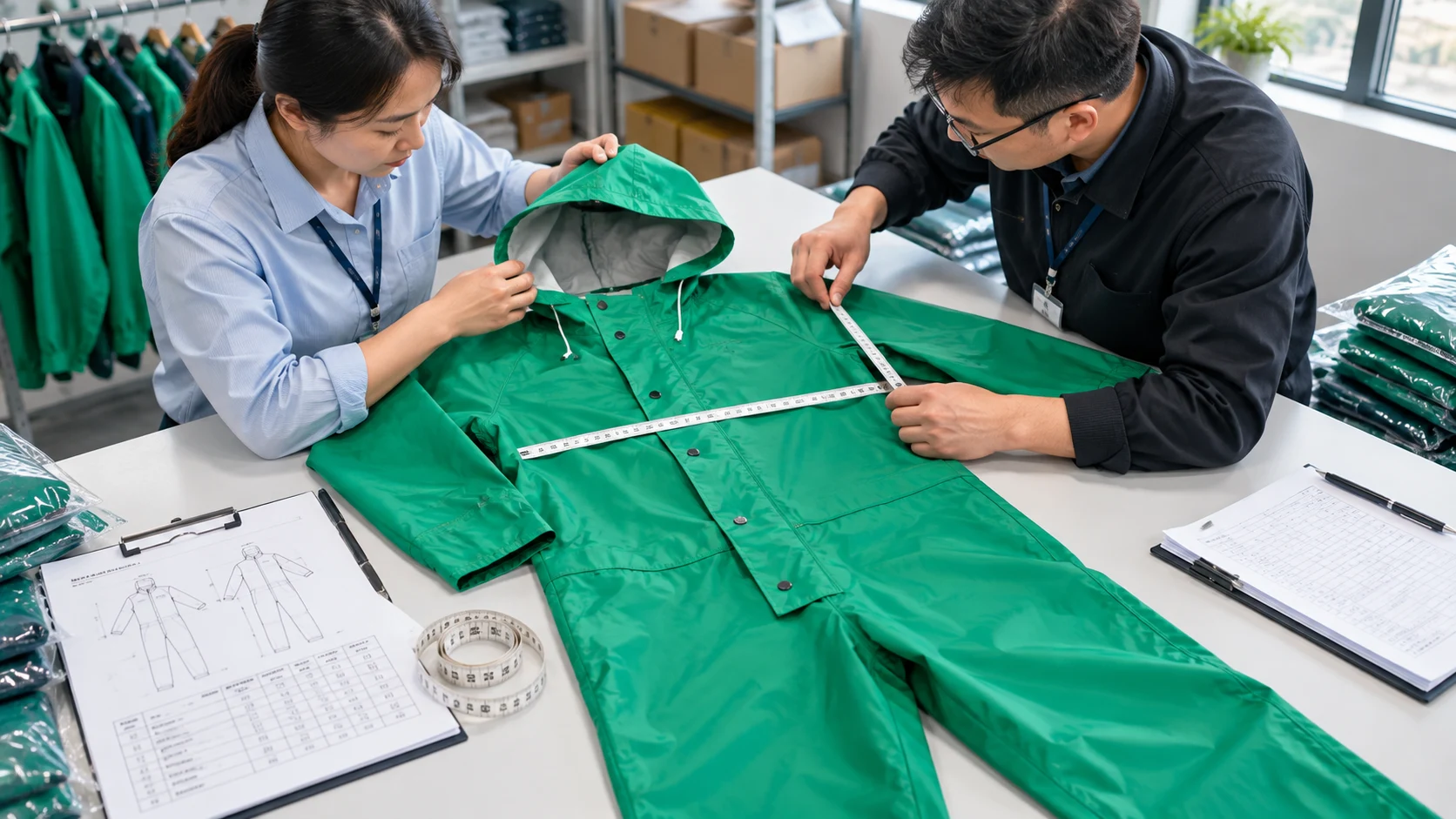
The decision should still account for the intended use. A product for short-term event coverage may not be suitable for repeated or extended wear. Buyers should confirm the material, finished size, closure details, hood design, packed format, available colors, and printing area against the relevant product specification.
A supplier’s raincoat product category can help create an initial shortlist. Final selection should depend on the event conditions, audience requirements, quantity, and artwork rather than on a product name alone.
Umbrellas for Staff, VIPs, and Controlled Areas
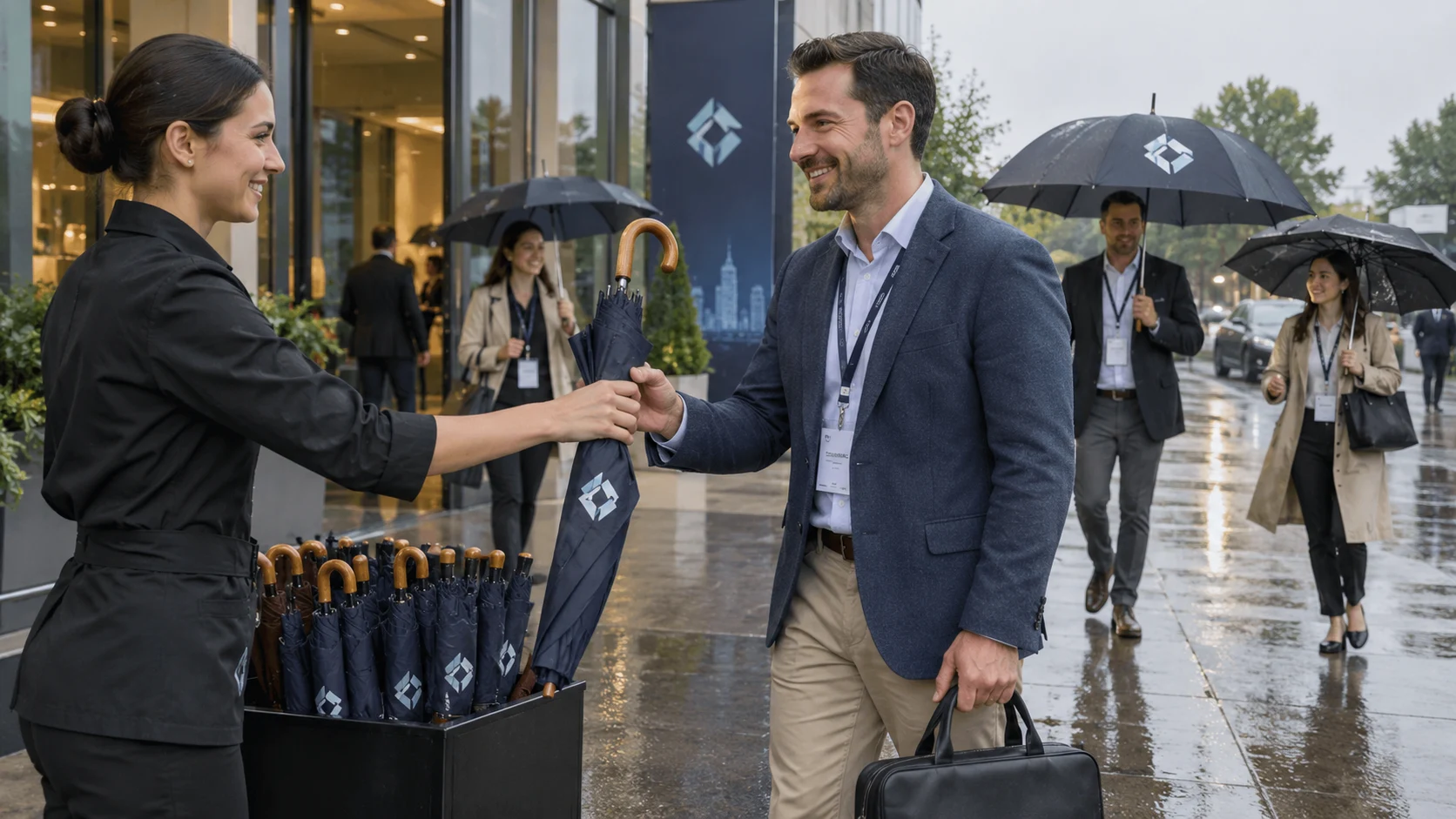
Umbrellas can provide useful coverage and a visible branding surface, particularly for staff, partners, hospitality areas, and VIP guests. They may be less practical in dense crowds, narrow walkways, or locations where venue rules restrict open umbrellas.
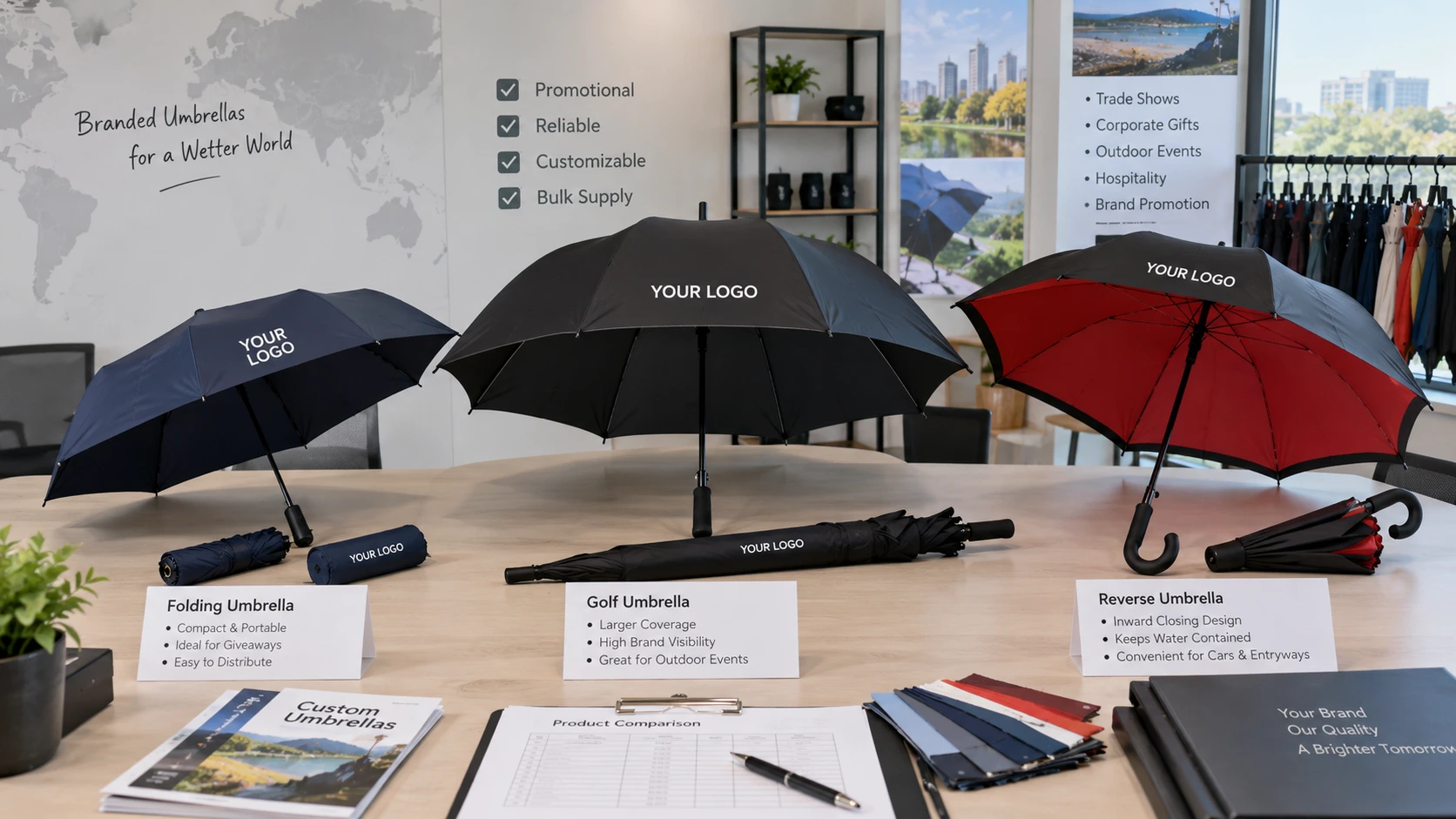
Before ordering bulk umbrellas for outdoor events, confirm the packed dimensions, opening method, panel layout, branding position, and storage requirements. The intended operating environment also matters. Wind exposure, crowd movement, and overhead clearance should be reviewed by the venue team.
The umbrella product category is a suitable starting point for comparing available formats. Whether an umbrella is appropriate depends on the application and should be verified with the supplier.
Storage Bags for Packing and Distribution
Storage bags help separate products, simplify internal transport, and prepare supplies for distribution. They may hold folded ponchos, umbrellas, printed materials, or other event items, depending on their capacity and construction.
A bag should be selected for its actual role. A lightweight bag may work as packaging for a small kit, while a bag intended for repeated carrying may require different dimensions, closure details, and handle strength. Confirm the size, capacity, carrying method, print area, and packaging format before placing a bulk order.
The bag product category can be reviewed when planning how rain gear will be grouped and moved around the venue.
How to Calculate Quantities for a Venue or Event
Quantity planning should be based on people, locations, and operating procedures rather than on total attendance alone.
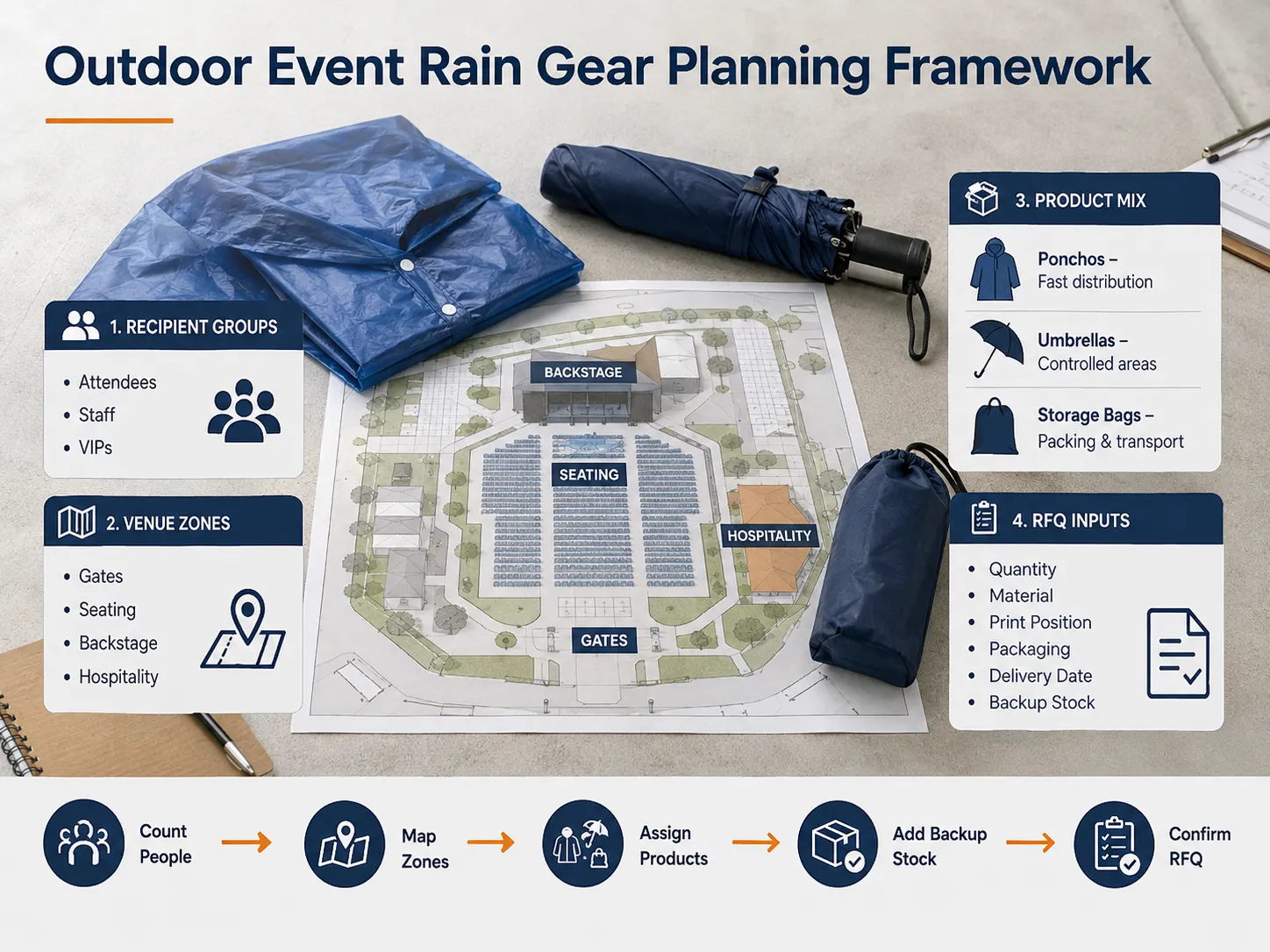
Separate Attendee, Staff, and VIP Requirements
General attendees may need a simple, quickly distributed item. Staff may need products that remain available for several hours, while VIP guests or sponsors may receive a different combination. Separating these groups prevents over-ordering expensive items and helps the venue place stock where it will be used.
List the expected number of attendees, staff, contractors, vendors, and special guests. Then map the principal distribution points: gates, information desks, seating areas, backstage zones, and hospitality spaces. This creates a more realistic basis for calculating bulk weather kits for events.
The RFQ should show these assumptions clearly. A supplier can quote more accurately when the order identifies product categories, target quantities, delivery location, and required date.
Plan Backup Stock and Reorder Options
Rain gear can be lost, damaged, misallocated, or requested by people who were not included in the initial count. A backup quantity may therefore be appropriate, but it should be based on the venue’s operating plan and budget.
Ask whether replenishment is possible and whether repeat orders would be affected by minimum order quantities, artwork requirements, or production schedules. If the event is part of a recurring program, confirm whether the same specification can be used for future orders.
Choosing Between Ponchos, Umbrellas, and Mixed Kits
| Purchasing factor | Ponchos | Umbrellas | Storage bags |
|---|---|---|---|
| Large-scale distribution | Generally suitable | May be restricted | Supporting item |
| Crowded areas | Often easier to manage | May create handling issues | Useful for packing |
| Staff or VIP use | Suitable depending on brief | May offer reusable value | Can be combined |
| Storage footprint | Depends on packed format | Usually requires more space | Depends on capacity |
| Branding surface | Garment panels | Open umbrella panels | Bag face or handles |
Poncho-First Kits for Large Crowds
A poncho-first kit may suit a stadium entrance, festival gate, or outdoor queue where speed and compact storage matter. It is less appropriate when the requirement is extended professional rainwear or when the venue expects repeated use over multiple events.
Confirm how products will be packed, labeled, and allocated to each zone. The purchase request should state whether the ponchos are for attendees, staff, or both. If branding is required, include artwork files, colors, print locations, and approval deadlines.
Mixed Kits for Staff, VIPs, and Guests
A mixed kit can assign ponchos to the wider audience, umbrellas to controlled areas, and bags to selected recipients or distribution teams. This approach may improve budget control, but it creates more stock-keeping and packing decisions.
Request separate pricing and lead-time information for each category. The supplier should confirm whether the products can be coordinated under one order and whether packaging can be divided by recipient group or venue zone.
Storage and Distribution Planning Before the Event
A weather kit is only useful when staff can locate and distribute it quickly.
Organize Stock by Venue Zone
Separate supplies for gates, seating areas, backstage operations, and hospitality spaces. Labels should identify the product type, quantity, destination, and responsible team. This reduces the risk of sending all stock to one location while another area runs short.
Storage conditions should be checked against the supplier’s guidance. Buyers should also confirm carton dimensions, inner packaging, and handling requirements before deciding where products will be stored.
Prepare a Fast Distribution Process
Define who can release the stock, where distribution will begin, and how remaining supplies will be monitored. Ponchos may be handed out at entrances, while umbrellas may require controlled distribution to staff or guests.
A short written procedure can cover activation criteria, stock movement, replenishment requests, and end-of-event storage. This is an operational decision, not a product performance claim, and should reflect the venue’s own rules.
Bulk Procurement Checklist for Venue Rain Gear
Specifications, MOQ, and Samples
The RFQ should identify product type, finished size, material requirements, color, print position, quantity, packaging, and intended use. Minimum order quantities may apply separately to raincoats, umbrellas, and bags.
Samples may be useful when logo placement, color, folding, or presentation is important. Do not assume that an image or generic description confirms the final specification.
Lead Time, Packaging, and Delivery
Work backward from the event date. Include time for artwork preparation, supplier review, sample approval, production, packing, transport, and receiving inspection. Late changes to artwork or quantities can affect the schedule.
Packaging should support the venue’s storage and distribution plan. Confirm carton identification, inner quantities, delivery address, and whether products need to be separated by location.
What to Include in an RFQ
A practical RFQ should include:
- Event type, date, and delivery location
- Estimated attendees, staff, and VIP recipients
- Product categories and target quantities
- Backup quantity and reorder expectations
- Artwork files, colors, and print positions
- Packaging, labeling, and sample requirements
- Requested production and shipping schedule
How to Evaluate a Weather Kit Supplier
A suitable supplier should clarify product specifications, printing limitations, minimum quantities, sample requirements, packaging, and delivery assumptions. A quotation based only on a product name and total quantity may leave important risks unresolved.
The RAINCOATGIFT product collection provides a starting point for reviewing rainwear, umbrellas, and bags. Product suitability may vary by material, size, quantity, artwork, operating environment, and configuration. Those details should be confirmed before the purchase is approved.
Common Planning Errors and How to Prevent Them
Ordering only for expected attendees can leave staff and distribution teams without supplies. Ordering the same product for every recipient can also waste budget when different groups have different needs. A zone-based quantity plan helps expose these gaps.
Another common issue is selecting umbrellas for areas where crowd movement or venue rules make them impractical. In those conditions, a poncho-based plan may be easier to manage.
Artwork and delivery decisions should not be left until the final production window. Confirm who approves the artwork, when samples are required, and which changes may affect cost or timing.
Conclusion
An effective weather kit for an outdoor venue is built around the venue layout, audience, storage capacity, and distribution process. Bulk ponchos, umbrellas, and storage bags should be assigned different roles instead of being treated as interchangeable products.
RAINCOATGIFT’s raincoat, umbrella, and bag categories can help procurement teams create an initial product shortlist. To request a practical quotation, contact RAINCOATGIFT with the event date, target quantities, delivery location, preferred products, artwork, packaging needs, and intended use.
FAQs
What should be included in an outdoor venue weather kit?
The kit may include bulk rain ponchos, umbrellas for controlled areas, and storage bags for packing or distribution. The final mix depends on crowd density, venue rules, storage space, and staff procedures.
How many rain ponchos should an outdoor event order?
Calculate separate requirements for attendees, staff, vendors, and VIP guests, then review distribution points and planned backup stock. The final quantity depends on the event plan and supplier minimums.
Are umbrellas suitable for crowded outdoor venues?
They may be unsuitable in dense queues, narrow walkways, strong wind, or venues with restrictions. In those conditions, ponchos may be easier to distribute and manage.
How should bulk rain gear be stored before an event?
Organize stock by venue zone and label each package with the product type, quantity, and destination. Confirm storage and carton requirements against the supplier’s instructions.
What information should be included in an event rain gear RFQ?
Include products, quantities, event date, delivery location, materials or usage requirements, artwork, colors, print positions, packaging, sample needs, and the required schedule.