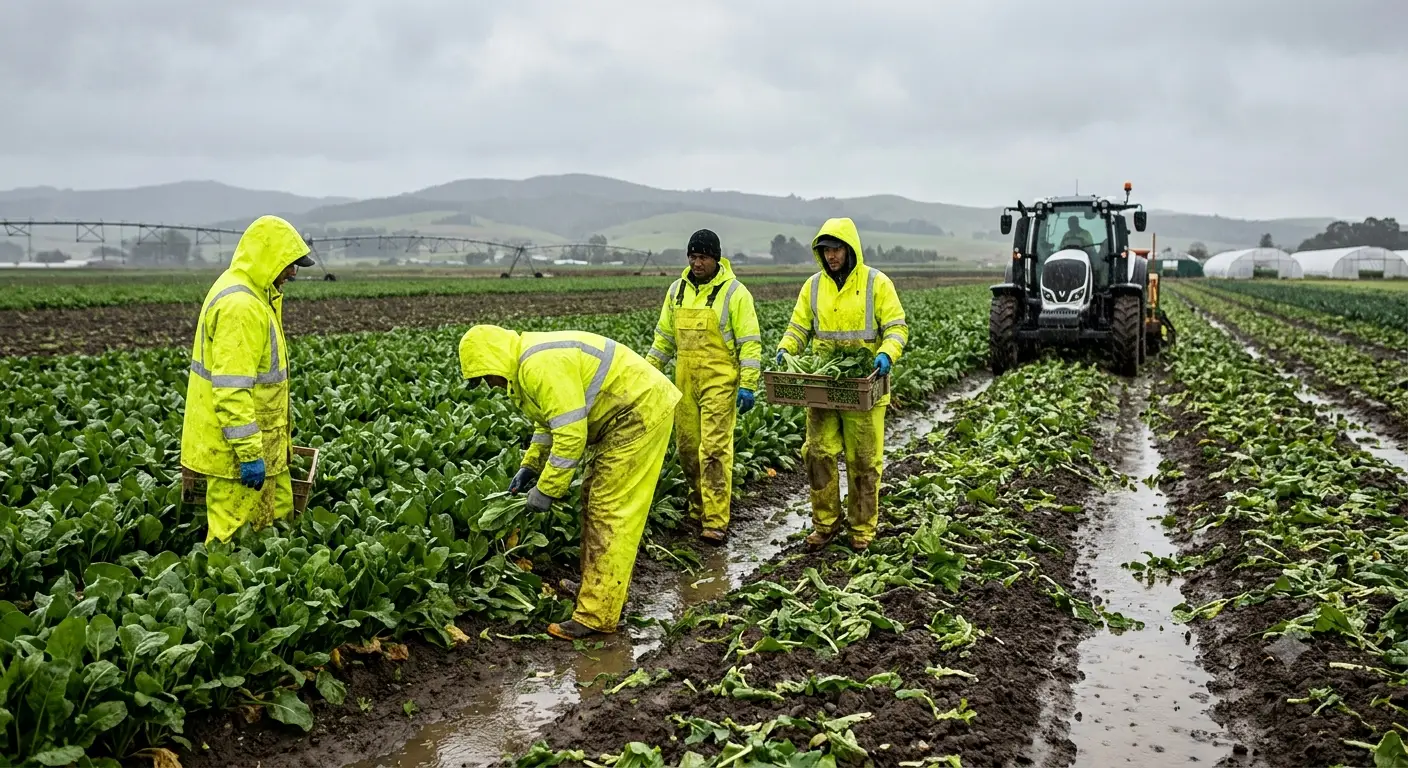
The management of extensive open field agriculture requires handling unforeseen weather conditions that may impede field activities and affect compliance with labor safety requirements. In commercial agricultural enterprises, dressing up laborers in specialized protective clothing is not so much about their personal comfort as about achieving field efficiency while complying with stringent industrial protective clothing standards. Consumer raincoats become unusable after a few days because of the hard work done on farms, leaving workers exposed to harsh conditions and preventable occupational injuries. Commercial farmers and agricultural suppliers require robust industrial protective clothing that can withstand friction, continuous bending, and exposure to severe weather conditions.
The Real Cost of Substandard Farm Rainwear
When agricultural purchasing managers opt for cheap, retail-grade outerwear to outfit large field crews, hidden operation costs mount rapidly. Conventional consumer jackets tear almost immediately when laborers navigate dense orchard branches, wire trellis systems, or sharp pruning tools. Even a minor puncture compromises the waterproof integrity of the entire garment, allowing cold rainwater to soak through to internal clothing layers and elevating the risk of worker hypothermia during damp, windy shifts.
Also, the quality of garments is such that they do not provide ventilation needed for strenuous physical activity, which results in internal moisture buildup and a very uncomfortable microclimate. Picking and packing rates slow down among field workers because of the heat and either take off the protection or just expose themselves to rain showers due to the same reasons. In the context of commercial farming, the continuous garment replacements have a negative impact on narrow margins of profit, while sudden worker absences hinder harvesting activities. It is the best approach to assess farm workwear in terms of its durability rather than initial cost.
Core Search Intent: What Makes “Agricultural Grade” Rain Gear Different?
Industrial-grade protective apparel relies on specific material technologies and specialized manufacturing methods that distinguish it from standard retail gear. Volume buyers must evaluate these distinct technical specifications to ensure their inventory survives multiple seasons of rough handling in muddy field environments.
Heavy-Duty PVC vs. Lightweight PU
Choice of proper base material influences not only the mobility of the workers but also increases the life span of the clothes. The heavy duty PVC coated polyester fabric is the industry standard for highest wear resistance. It can easily resist friction caused by abrasive crops, shedding off the thick mud deposition and does not tear while working under harsh conditions. Lightweight PU material offers better mobility and flexibility to perform fast work like high density fruit harvesting or sorting.
Industrial-Grade Construction: High-Frequency Welded Seams
Standard stitched seams introduce thousands of microscopic needle punctures that consistently leak when exposed to high hydrostatic pressure. Professional agricultural outerwear relies on high-frequency welded seams that fuse raw fabric panels together using electromagnetic energy. This technique creates a totally uniform, seamless moisture barrier that stops water penetration and preserves the structural strength of the garment under immense physical tension.
Choosing the Right Agriculture Rain Gear for Specific Farming Sectors
Various agricultural industries come with their own set of risks to the environment, which implies that there is no generic waterproof jacket suitable for all field conditions. Proper correlation between the exact garment requirements and field crew activities results in safety and cost-effectiveness.
Orchard & Vineyard Harvesting
Crews working in orchards and vineyards must constantly maneuver through narrow rows of trees and woody vines. The primary risk involves fabric snagging and sudden punctures from sharp twigs and thorns. Outerwear developed for this sector requires a tough, tear-resistant outer shell combined with an ergonomic fit that allows laborers to stretch, bend, and lift heavy fruit crates without physical restriction.
Livestock & Dairy Farming
Milking parlors, livestock pens, and processing facilities expose workers to animal waste, organic grease, and continuous moisture from high-pressure washdown systems. Basic utility plastics degrade quickly under these conditions. Commercial operations in this sector need to specify oil & acid resistant PVC apparel that can handle exposure to animal fats and frequent chemical sanitization without cracking, stiffening, or losing its waterproof properties.
Crop Spraying & Chemical Application
Handling fertilizers and pesticides requires specialized personal protective equipment to prevent skin contact with hazardous compounds. When performing chemical application tasks during wet conditions, field workers require chemical-resistant clothing for agriculture outfitted with deep storm flaps over heavy-duty zippers, along with adjustable neoprene cuffs to seal out liquid splashes completely.
The B2B Checklist: Sourcing Wholesale Agricultural Rainwear
Procuring protective outerwear on an enterprise scale requires a systematic evaluation of specific functional design elements. Purchasing teams should check off several key features before finalizing high-volume purchase orders.
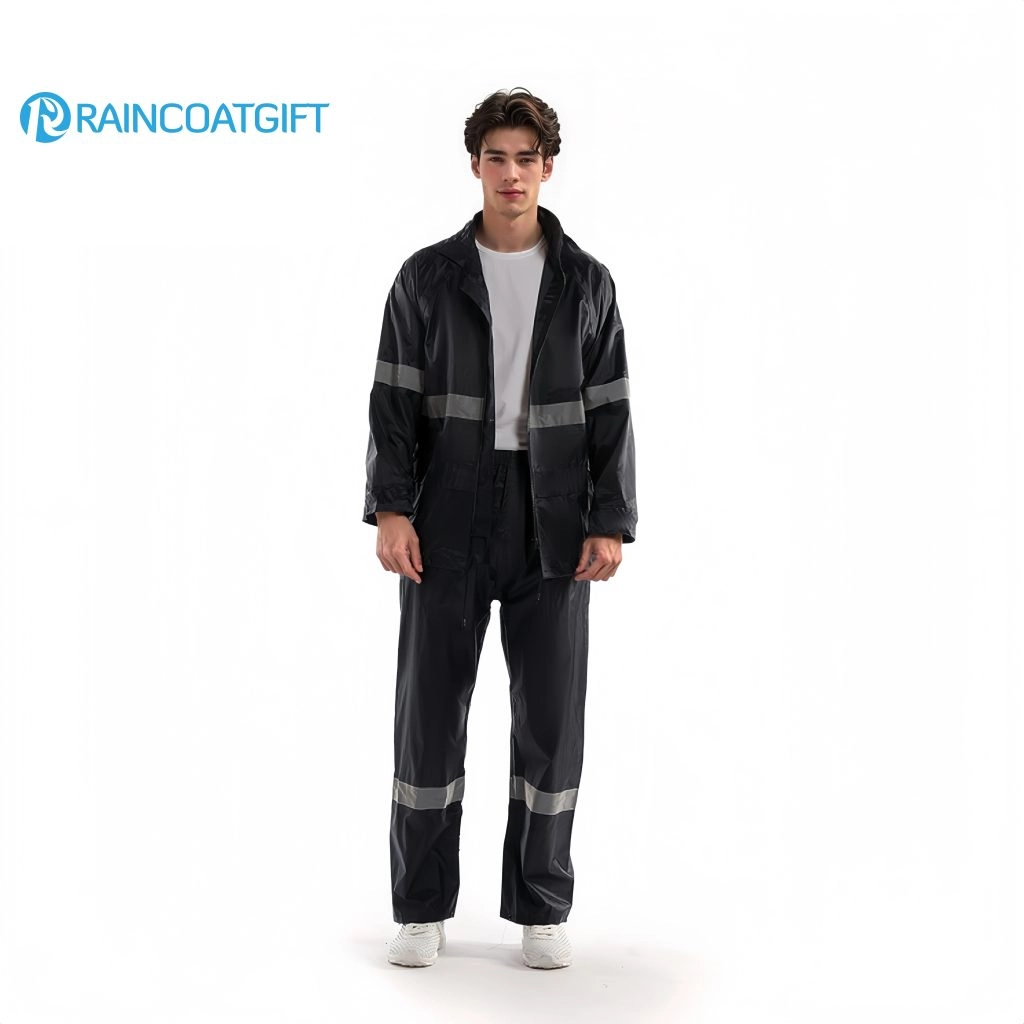
Safety and Visibility: Rainy field conditions drastically lower visibility, increasing safety hazards around moving tractors, harvesters, and heavy farm machinery. Commercial gear must integrate high-visibility reflective strips complying with international safety standards to keep field teams fully visible in dark, overcast conditions.
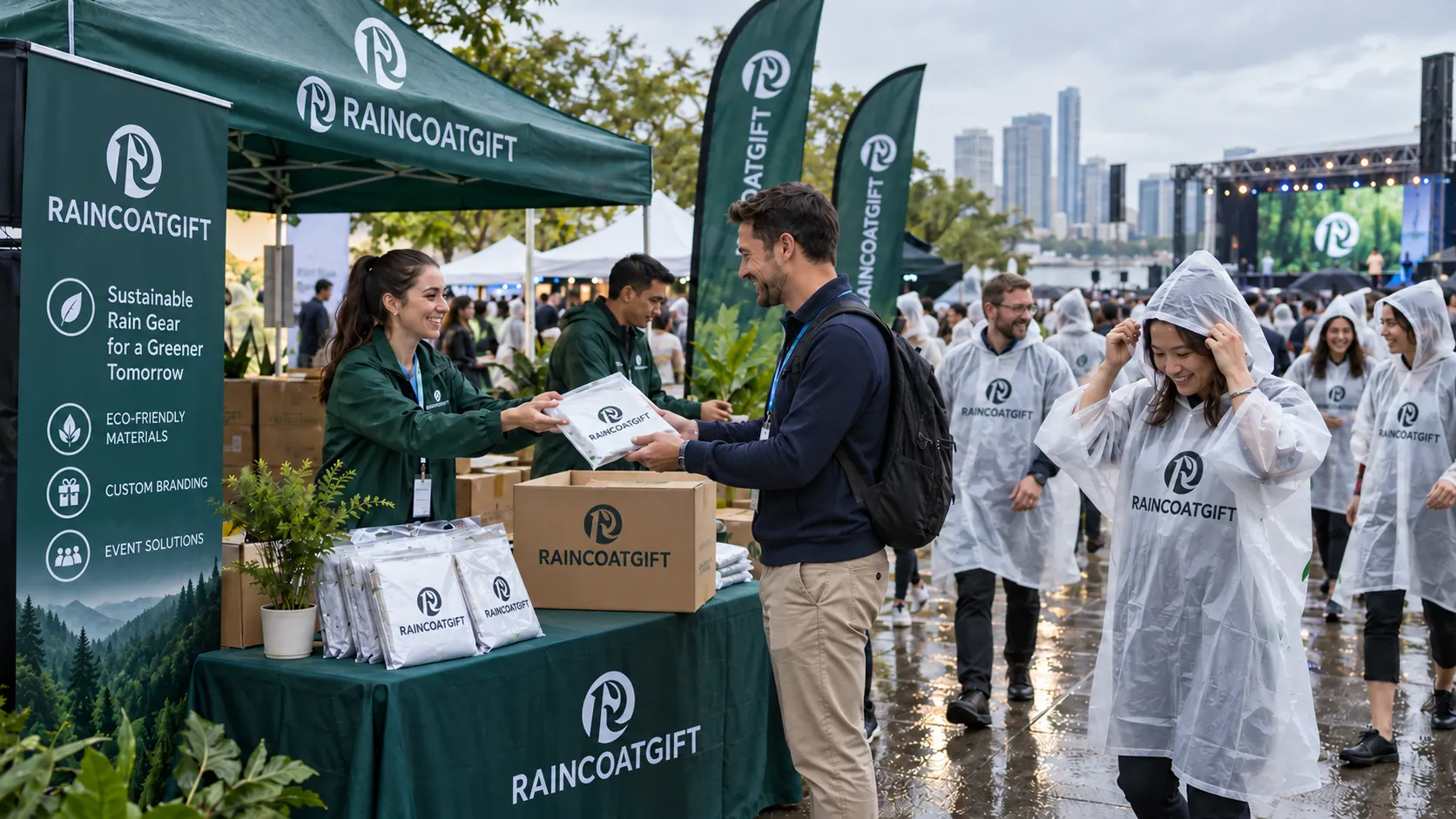
Bulk Customization: Major agricultural cooperatives often require clear corporate branding for crew identification and professional appearance. Choosing garments designed for bulk custom logo printing simplifies asset management and reinforces brand cohesion across massive field operations.
Ergonomics and Adjustability: A proper fit prevents loose, billowing fabric from catching on moving machinery parts or crop rows. B2B buyers should prioritize adjustable hoods, heavy-duty snap cuffs, and reinforced knee and elbow zones to maximize wear life in high-friction areas.
Partnering with a Reliable Agricultural Rainwear Manufacturer
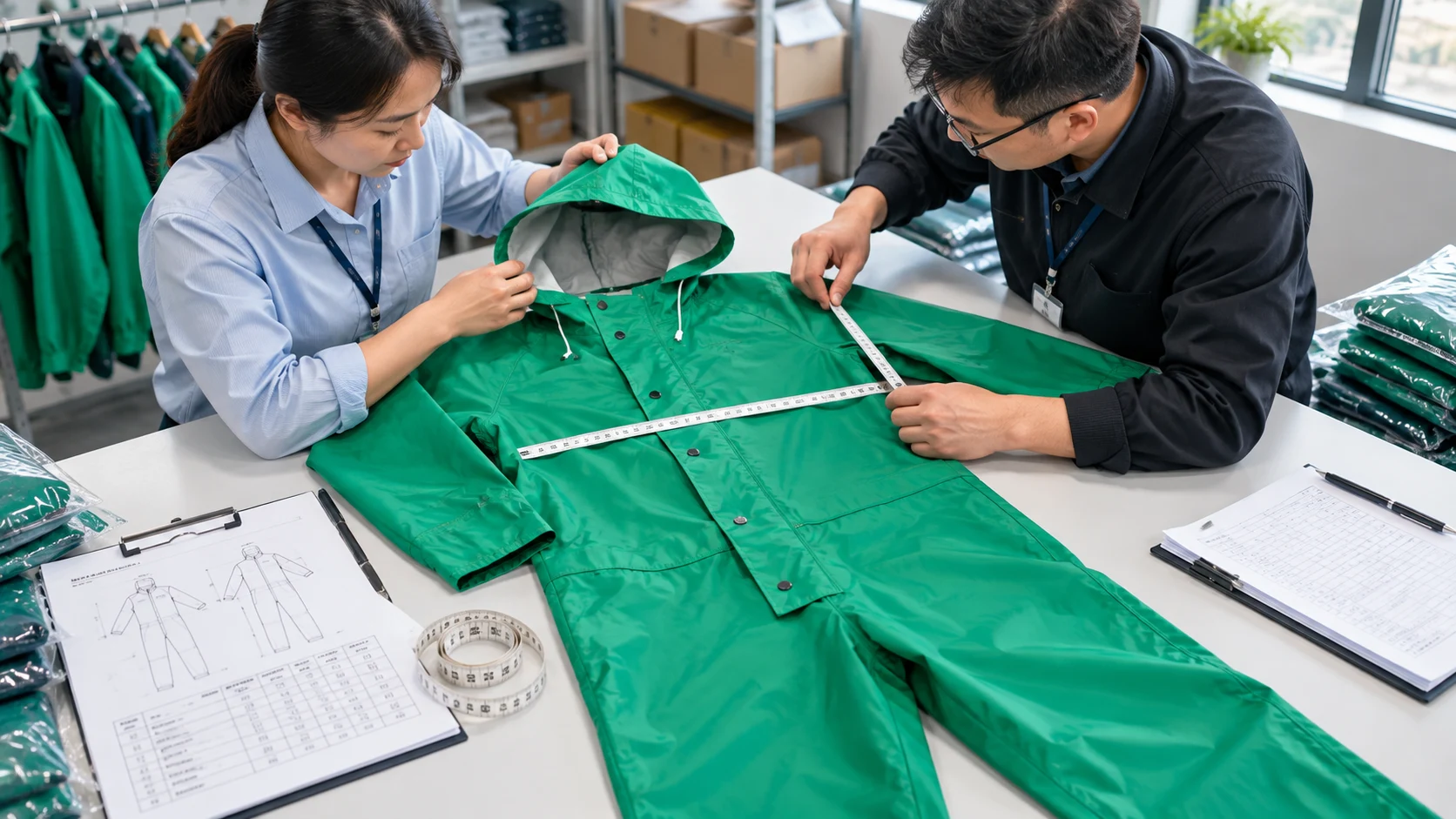
For commercial buyers sourcing wholesale rainwear in volume, evaluating supplier factory capability is just as critical as checking product specifications. After analyzing these vital selection factors, it becomes much easier to judge whether an offshore manufacturer can support long-term procurement needs. A qualified protective apparel manufacturer should provide not only suitable products, but also stable production, customization support, and strict quality control.
This is where RAINCOAT GIFT CO., LIMITED can support buyers looking for dependable agricultural rainwear for commercial farming and planting operations. Navigating international supply chains requires a production partner utilizing advanced manufacturing infrastructure, including automated high-frequency welding machinery and precise fabric coating lines. RAINCOAT GIFT CO., LIMITED enforces meticulous quality control protocols across every production run to ensure finished batches deliver consistent hydrostatic resistance and tear strength.
With extensive experience manufacturing industrial personal protective equipment, the facility offers versatile OEM and ODM capabilities to modify designs according to localized safety compliance requirements. By controlling the entire manufacturing loop from raw material sourcing to final packaging, RAINCOAT GIFT CO., LIMITED provides highly dependable delivery schedules and stable wholesale pricing for global distributors and large-scale agricultural enterprises.
Conclusion
To make a choice of rugged rainwear for use in the agricultural industry calls for a scientific understanding of fabric physics, potential dangers in the workplace, and dependability of the producer. By moving beyond the realm of cheap retail clothing into the area of rugged protective clothing with its welded seams, the field workers will remain safe throughout the rainy season and the daily farm produce will be saved. Partnering with an established manufacturer will guarantee multi-season durability of large orders and minimize machine costs. For information about customized protective designs and wholesale pricing, contact RAINCOAT GIFT CO., LIMITED.
Frequently Asked Questions
Q1: Which rainwear material lasts longest in high-friction agricultural environments?
A: For heavy-duty agricultural work involving thick brush or sharp equipment, heavy-duty PVC-coated polyester fabric provides the highest level of puncture and tear resistance. If workers require high agility for picking or packing, lightweight polyurethane (PU) offers a flexible, durable alternative that reduces physical strain.
Q2: Why do standard stitched seams fail during heavy agricultural rain?
A: Traditional stitching drives needles through waterproof fabric, creating thousands of micro-holes. Under consistent downpours or pressure from wet foliage, water seeps through these punctures. Commercial farm gear utilizes high-frequency welded seams to melt the panels together, ensuring a permanent waterproof seal.
Q3: How do oil & acid resistant properties protect rainwear on dairy farms?
A: Animal waste, milking chemicals, and organic fats quickly erode standard consumer plastics, causing the material to become brittle and split. Specialized oil & acid resistant PVC rainwear preserves its flexible, protective barrier even when exposed daily to the harsh chemical environments of livestock management.
Q4: What customization options are available for wholesale farm workwear orders?
A: Commercial buyers can request bulk custom logo printing for crew identification, custom placement of high-visibility reflective strips, and specialized pocket configurations. Reliable suppliers also provide adjustable neoprene cuffs and reinforced patches on high-stress areas like knees and elbows.