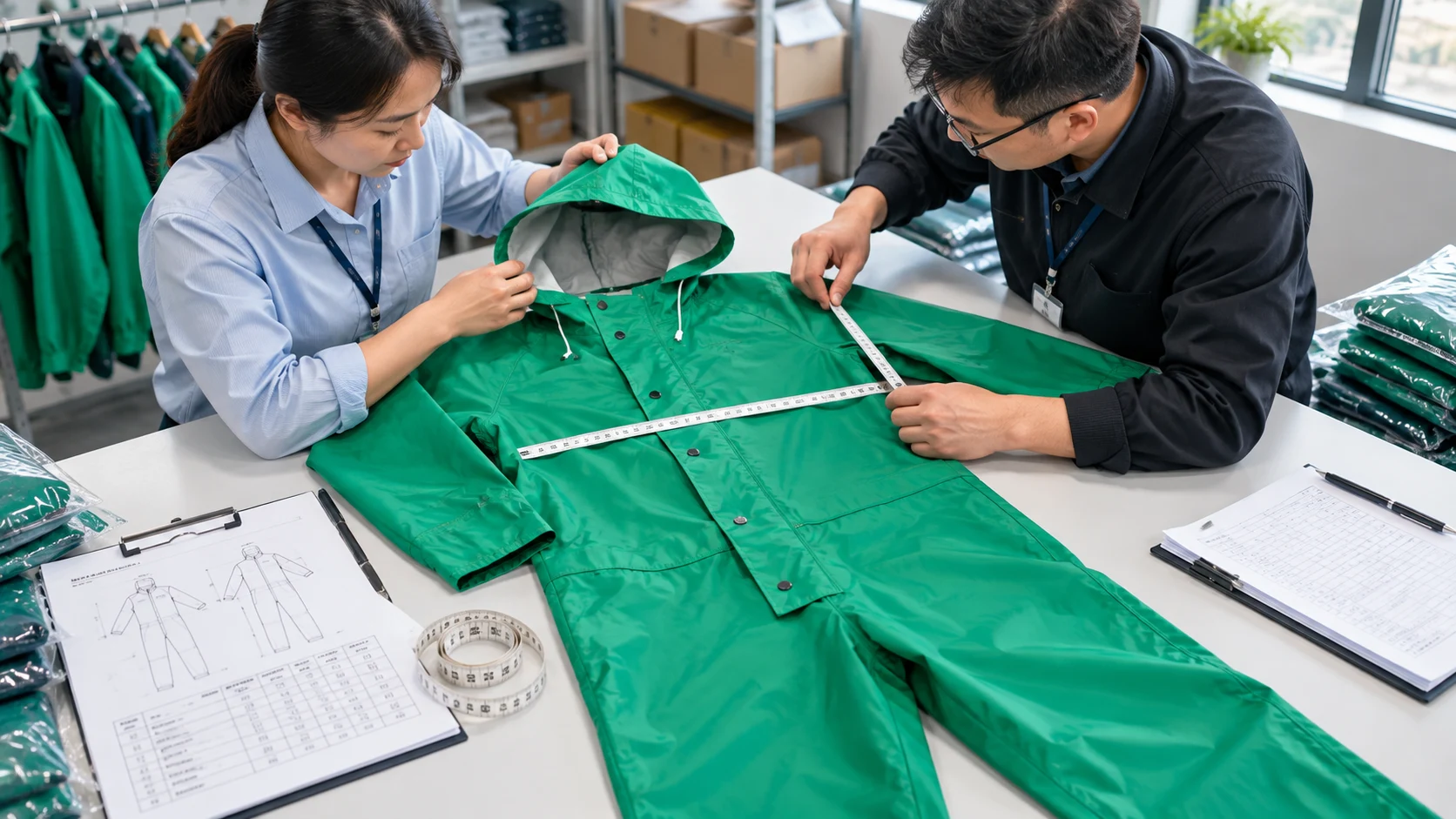
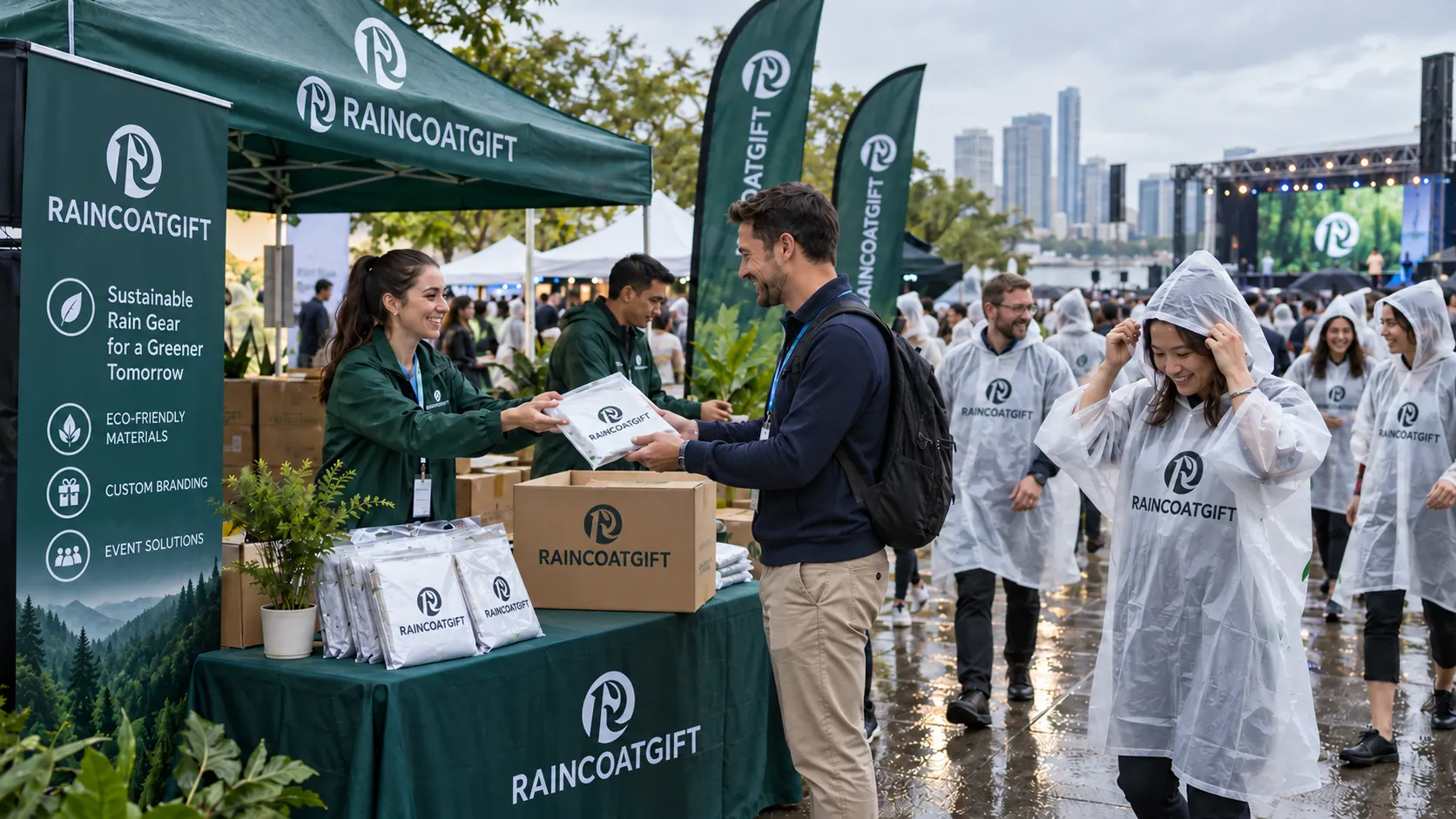
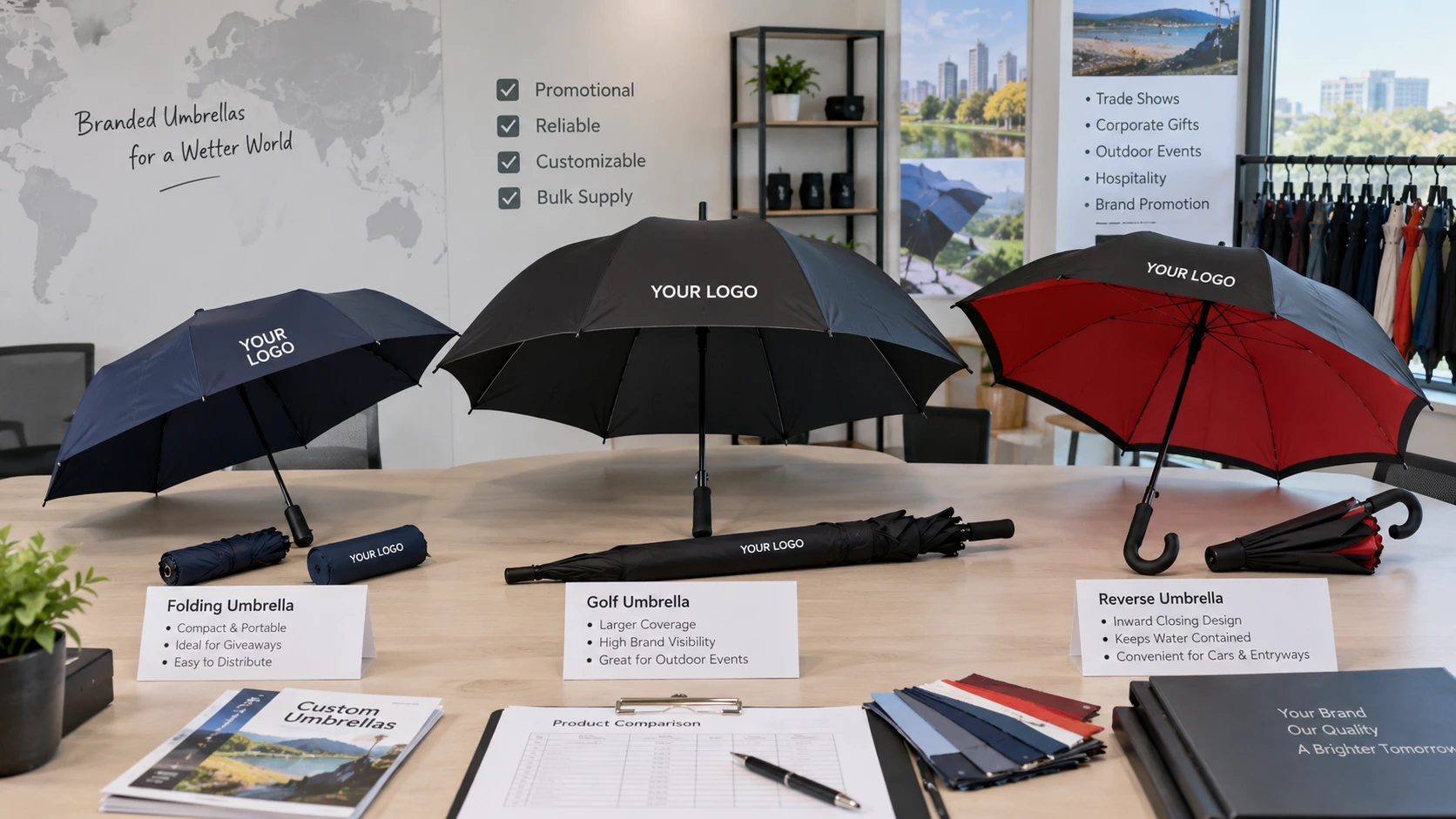
Plastic rain jackets give the necessary protection from the rain. The rain jackets are made from different materials, varying in thickness and design. The rain jackets can be used for personal purposes, promotions, work, and emergency situations. The majority of the rain jackets originate from China. The materials used for the rain jackets include PE, EVA, and PVC. The materials give various benefits to the rain jackets. Information will be given on the types of rain jackets, factors affecting the quality, regulations, comparisons, and smart buying tips.
Types of Plastic Rain Jacket
The main groups depend on material features.
PE Disposable Rain Poncho
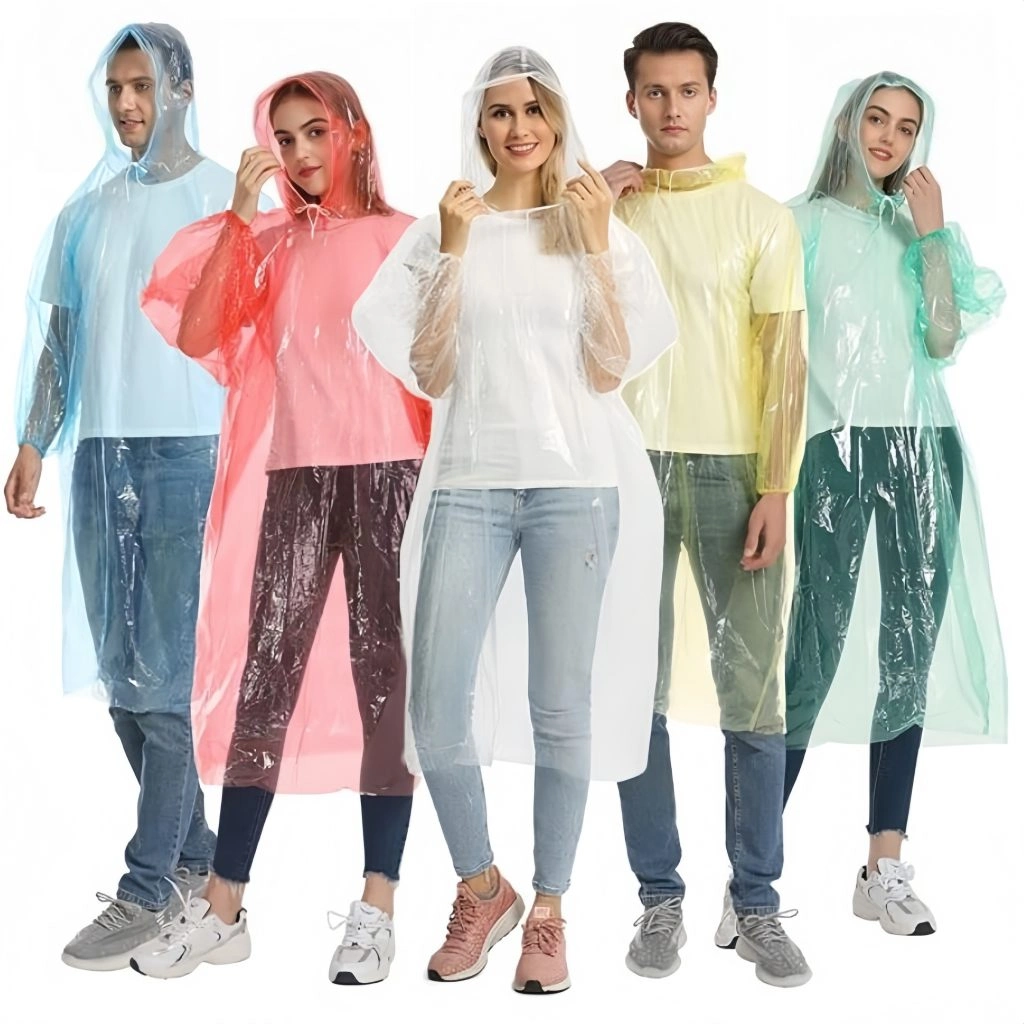
PE disposable rain ponchos focus on easy carrying and cheap price. They usually have thicknesses from 0.03mm to 0.05mm. These light pieces fold into small pouches. They work well for single-use events like festivals, marathons, trips, or emergency packs. PE gives steady basic waterproofing. However, it shows weak resistance to tears or long wear. Large production runs keep costs very low. This helps with big shipments for promotions or disaster help.
Reusable EVA Raincoat
Reusable EVA raincoats bring better comfort and longer life. Their thicknesses often fall between 0.12mm and 0.18mm. They offer good flexibility, cold resistance, and a gentle feel. The copolymer makeup of EVA boosts stretch. It cuts down on cracks in cold weather. Clear versions also show nicer see-through quality. These raincoats fit repeated wear during normal rain. Commuters, hikers, cyclists, and families like them as greener choices.
PVC Raincoat
PVC raincoats perform well in tough settings. They start at minimum thicknesses of 0.18mm and often go up to 0.30mm or higher in stronger types. This gives top waterproofing and resistance to scrapes. Many versions add polyester backing for extra toughness. PVC stands up to heavy rain, chemicals, oils, and rough handling. They match industrial areas such as construction, agriculture, fishing, utilities, and tactical jobs that need strong results.
Understanding Quality and Durability
Quality relies on material thickness, seam build, and production rules. Thicker layers improve waterproofing and resistance to punctures. Still, they can reduce easy carrying. PE works for short contact. EVA mixes flexibility with reuse. PVC puts strong focus on lasting through rough situations.
Important signs cover tear strength, seam strength, and general make. Trusted manufacturers run tests to keep steady results.
Waterproof Ratings and Industry Standards
Waterproof ability gets measured by hydrostatic head (HH) ratings in millimeters (mm). This shows the water height a fabric can hold before leaking. For plastic rain jackets:
- PE ponchos usually reach 1,000–5,000mm. This covers light to moderate rain but weakens under strong force.
- EVA raincoats commonly hit 5,000–10,000mm. They give firm protection for daily and medium use.
- PVC raincoats often go above 10,000mm. Industrial types provide even higher ratings for long heavy rain.
Fully taped or welded seams stop leaks at stitch spots. Certifications like ISO 9001 for quality control, REACH for chemical safety, RoHS for dangerous substances, and EN standards for protective gear confirm meeting rules. Bulk buyers need to check these for safe supply.
Material Comparison: PE vs EVA vs PVC
A close look shows the clear differences:
- Waterproofing: PVC stays ahead with excellent water blocking. EVA comes next. PE gives only basic cover.
- Breathability: EVA allows better escape of moisture vapor and cuts sweat buildup. PVC and PE stay mostly non-breathable. This can cause discomfort during active movement.
- Durability: PVC handles scrapes and chemicals the best. EVA manages normal wear. PE shows the lowest strength for repeated use.
- Flexibility and Comfort: EVA feels the softest and easiest to bend. PVC may get stiff in cold. PE keeps light weight but breaks easily.
- Weight: PE remains the lightest. EVA sits in the middle. PVC becomes heaviest with thicker builds.
These points help pick the right one based on planned weather and user wants.
Environmental Considerations in Plastic Rain Jacket Materials

Environmental effects differ a lot. PE and PVC come from oil sources. They add to waste that does not break down and factory emissions. PVC brings extra worries from possible chlorine and hard disposal. EVA often seems more earth-friendly. It has lower harm and improved recycling in certain forms.
Reusable kinds cut waste compared to throw-away ones. New options include recycled PE, bio-based EVA mixes, or compostable materials like PLA/PBAT for ponchos. Still, good end-of-life handling matters. Manufacturers now take on greener methods. These include PFC-free treatments and careful sourcing. They meet buyer requests for smaller eco effects.
Common Applications and Industry Uses
Uses cover many fields:
- Disposable PE ponchos lead in events, promotions, emergency aid, and store giveaways.
- Reusable EVA fits leisure, school, daily travel, and light outdoor fun that stress comfort.
- PVC types aim at heavy-duty industrial, sea work, farming, and city jobs that need chemical resistance and strength.
Customization helps with branding in promotional fields.
Maintenance and Care Tips for Longevity
Good care keeps performance strong. Reusable EVA and PVC raincoats wash with gentle soap and water. Stay away from rough cleaners or dry cleaning. Hang them to air-dry fully and stop mold. Keep them in cool, dry spots away from UV rays. PE disposables need no upkeep. But handle disposal or recycling properly when possible. Careful use makes them last longer and lowers how often replacements happen.
Plastic Rain Jacket Manufacturers and Suppliers
China leads in making them. It provides large scale, custom work, and good prices. Suppliers offer PE, EVA, and PVC with OEM/ODM. This includes printing, sizes, and packing. Low MOQs and quality certifications help worldwide wholesale.
Choosing the Right Plastic Rain Jacket
Match the material to the needs: PE for cheap short-term use; EVA for comfy repeated wear; PVC for tough heavy-duty protection.
Key Considerations When Buying
- Thickness and Waterproof Rating: Higher numbers boost performance.
- Seams and Features: Taped seams, adjustable parts, and air flow improve usefulness.
- Purpose and Durability: Fit them to time exposed and how often used.
- Environmental and Cost Factors: Balance green aspects with budget.
- Certifications and Customization: Check standards for large orders.
Conclusion
Plastic rain jackets bring flexible protection through PE, EVA, and PVC choices. PE gives low-cost throw-away use. EVA mixes reuse with comfort. PVC delivers solid strength. Pay attention to thickness, ratings, seams, and use. This leads to best results in wet weather.
RAINCOATGIFT, as a dedicated manufacturer, supplier, and factory of raincoats including PE, EVA, and PVC options, delivers customizable, high-quality solutions for wholesale and bulk needs through OEM/ODM services.
FAQ
What hydrostatic head rating indicates good waterproofing for plastic rain jackets?
Ratings of 5,000mm+ suit moderate rain; 10,000mm+ handle heavy conditions effectively.
How do EVA and PVC compare in breathability?
EVA provides superior breathability and reduced sweat; PVC offers less, often leading to internal condensation.
Are there eco-friendly alternatives to traditional plastic rain jackets?
Yes, recycled PE, low-impact EVA, and compostable blends reduce environmental impact when properly managed.
What certifications should bulk buyers look for from manufacturers?
ISO 9001, REACH, RoHS, and relevant EN standards ensure quality and safety compliance.
Why are taped seams important in rain jackets?
They seal stitch holes to prevent leaks, significantly improving overall waterproof integrity.
Partner with Reliable Raincoat Manufacturers and Suppliers
Businesses sourcing plastic rain jackets for wholesale, promotional, industrial, or custom applications benefit from partnering with experienced manufacturers and suppliers. As a trusted factory specializing in PE, EVA, and PVC raincoats with comprehensive OEM/ODM capabilities, RAINCOATGIFT provides competitive bulk pricing, tailored customization, and dependable production. Contact the team today for quotes, sample discussions, specification reviews, or volume pricing on durable rainwear solutions. Visit the website to initiate collaboration.